Agios Myronas – Agios Thomas – Zaros Road Trip. Central Crete
Agios Myronas Village
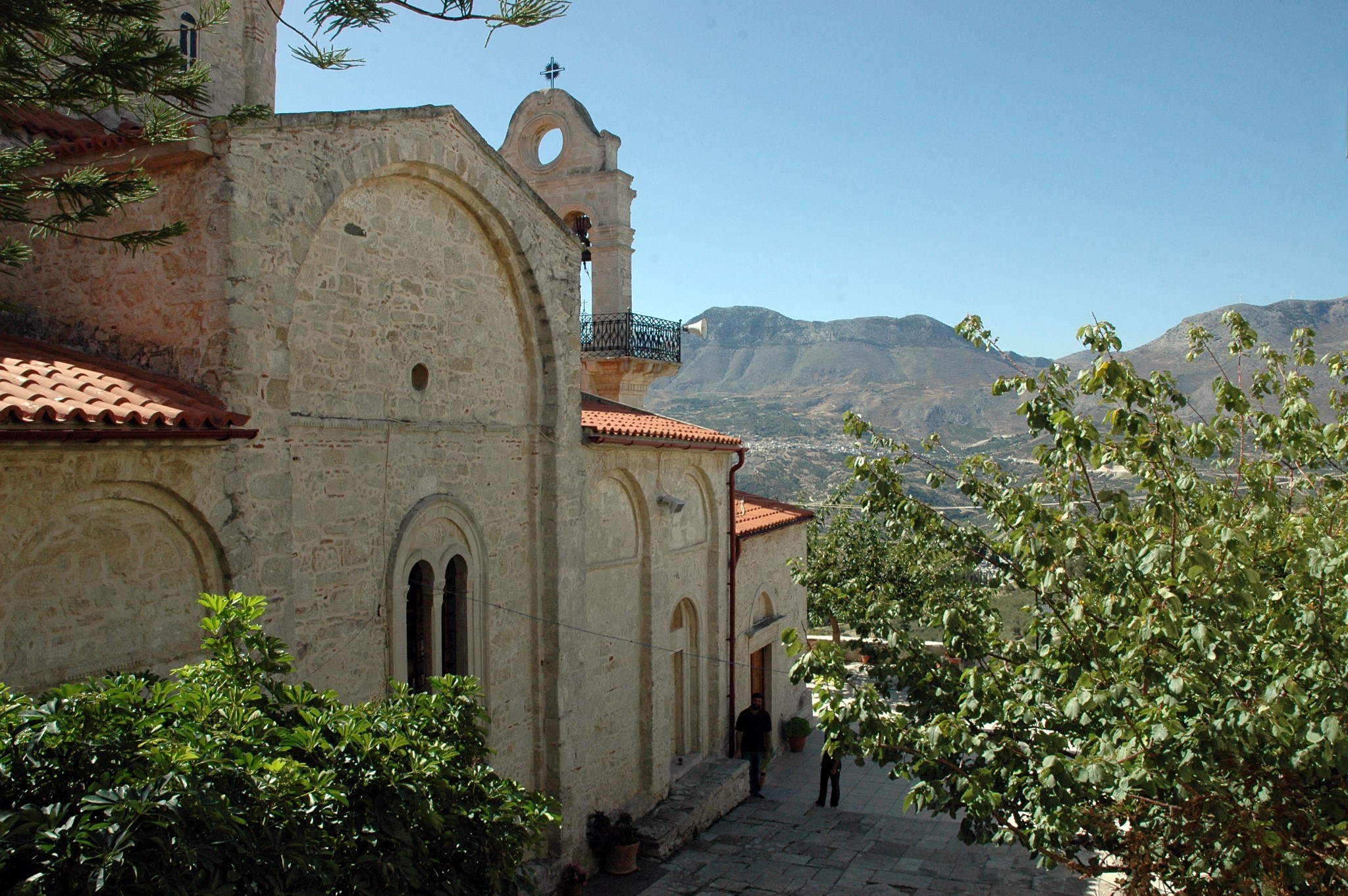
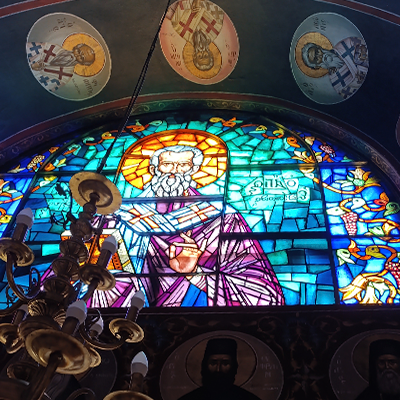
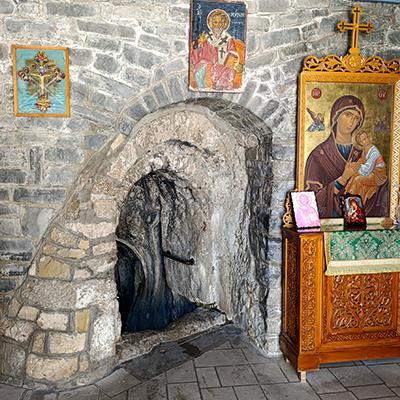
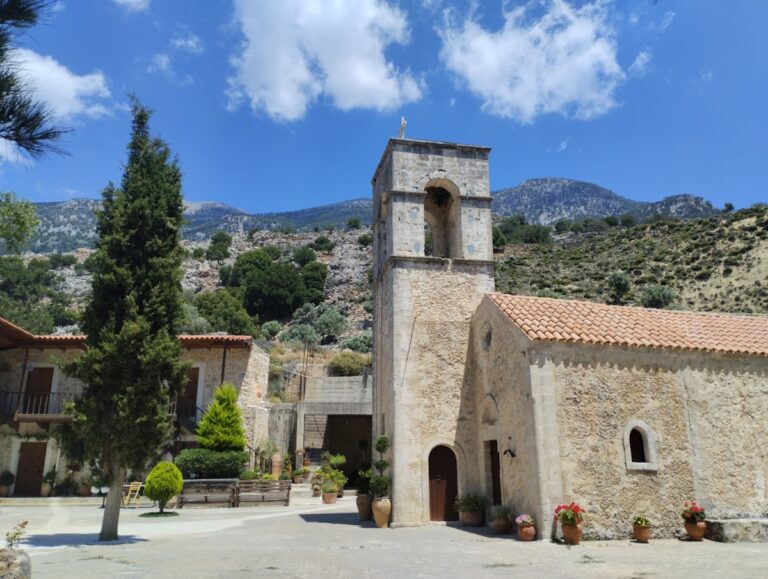
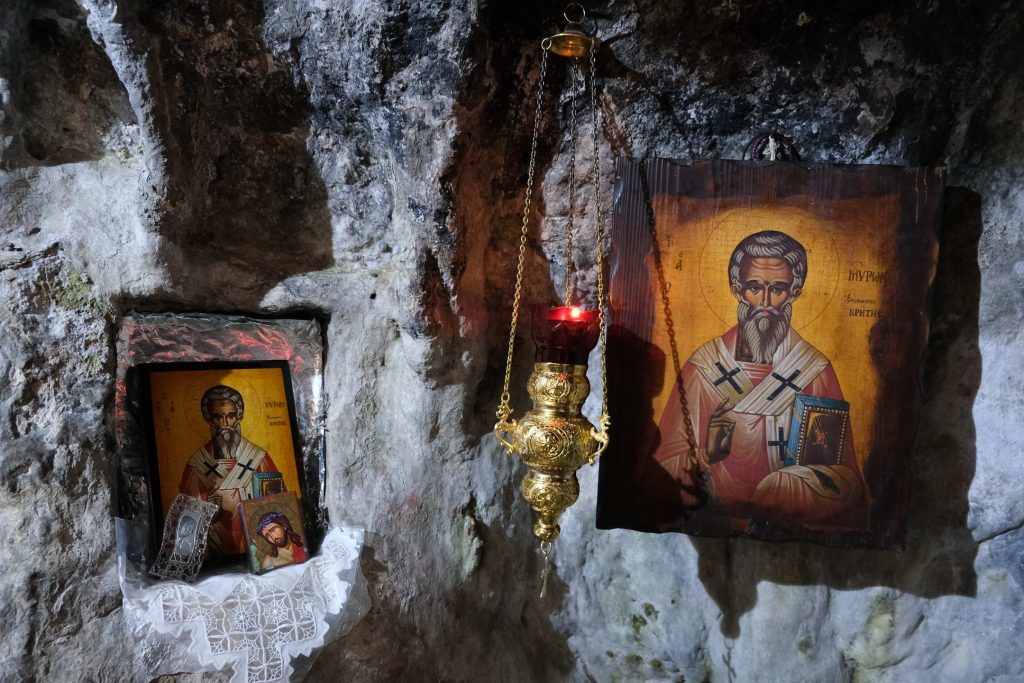
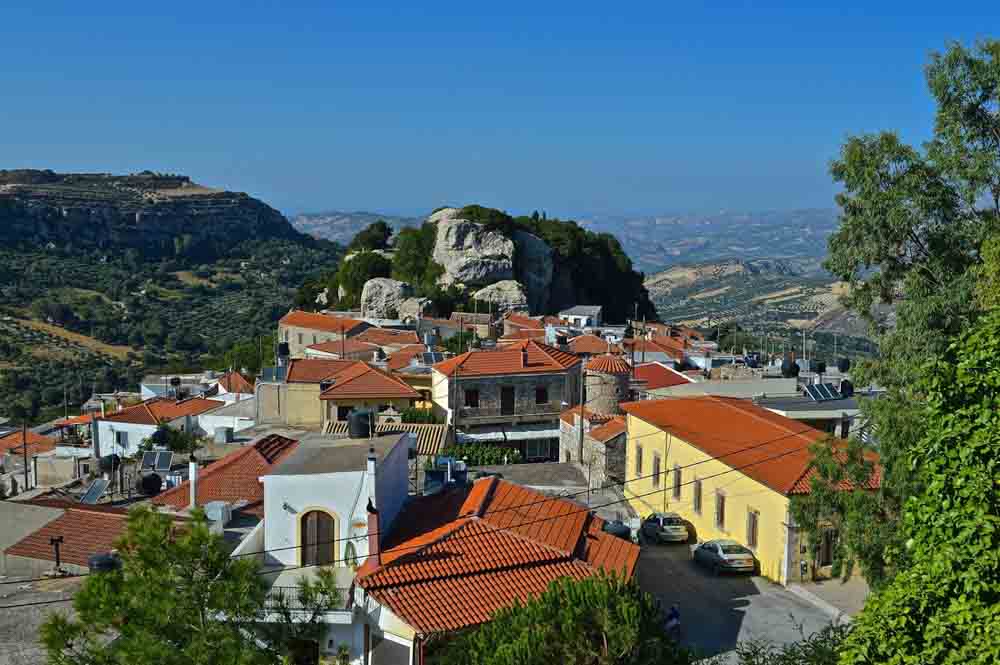
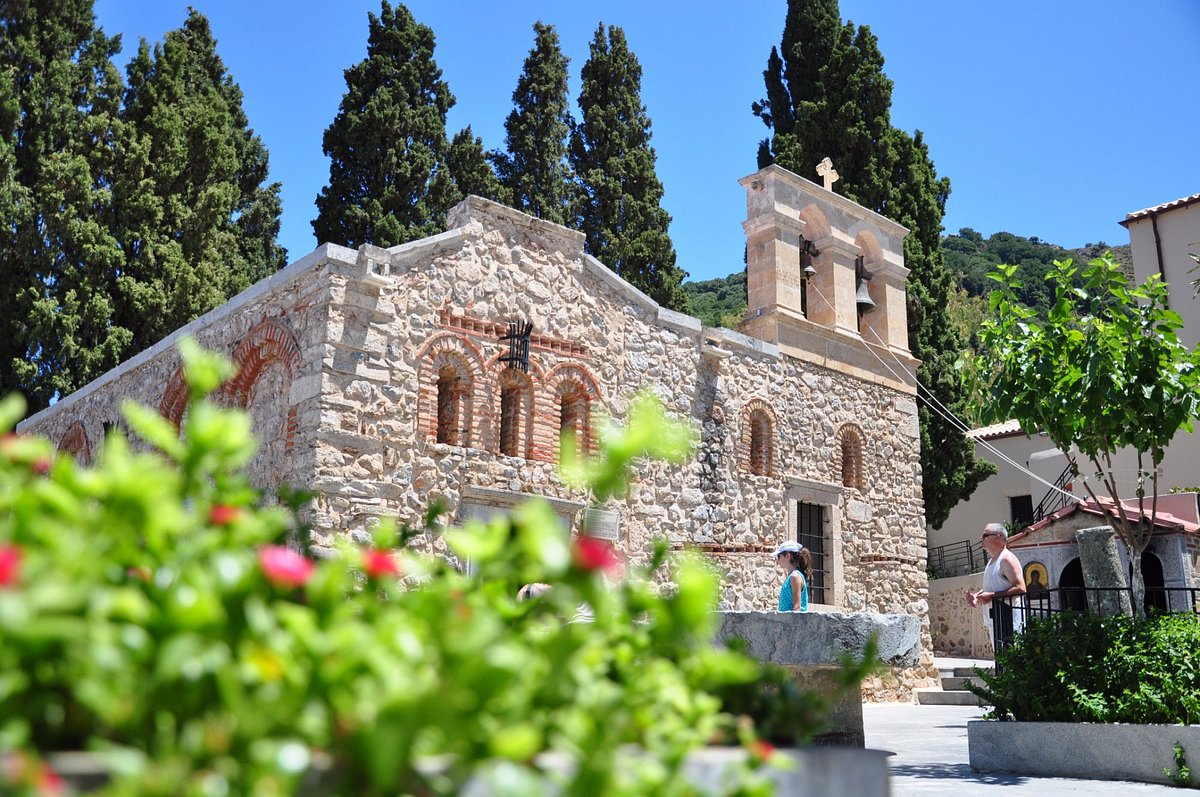
The journey begins in Agios Myronas, a traditional Cretan village known for its spiritual heritage and historical architecture. At its heart lies a medieval church featuring distinctive stained-glass windows that add color and character to the sacred interior. One of the village’s most important landmarks is the holy spring located in the cell of Saint Myron, which has long been associated with local religious traditions and pilgrimage. The atmosphere of the village reflects a blend of devotion and history, with quiet stone streets and preserved buildings that offer a glimpse into Crete’s ecclesiastical past.
Ancient Rizinia
The route continues to Ancient Rizinia, an important Bronze Age site combining elements of a necropolis and a hilltop settlement. Archaeological remains reveal the long continuity of human presence in this strategic location. At the summit stands the Church of Saint Panteleimon, a serene and elevated landmark that offers sweeping panoramic views across central Crete. The contrast between ancient burial grounds and the later religious structure creates a layered historical landscape, where different eras coexist in one remarkable setting.
Agios Thomas Village
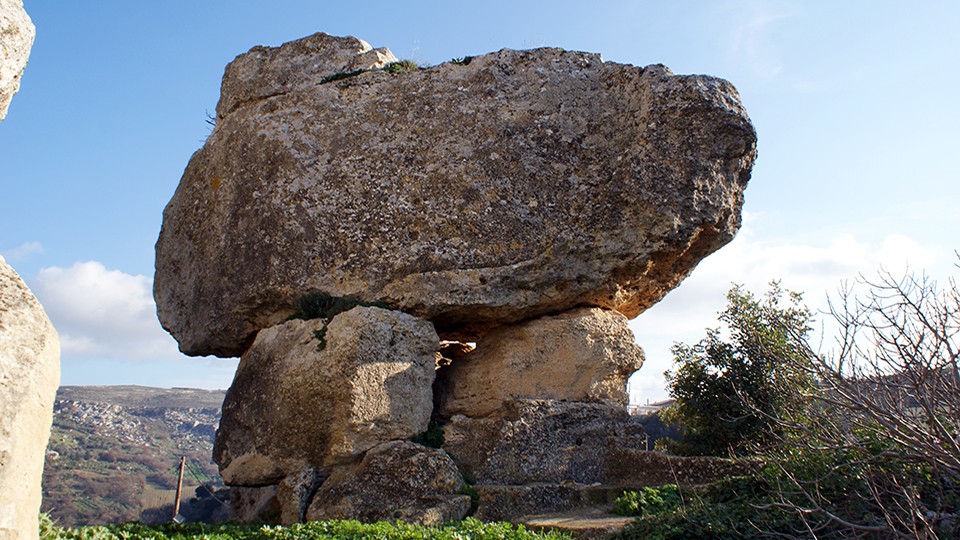
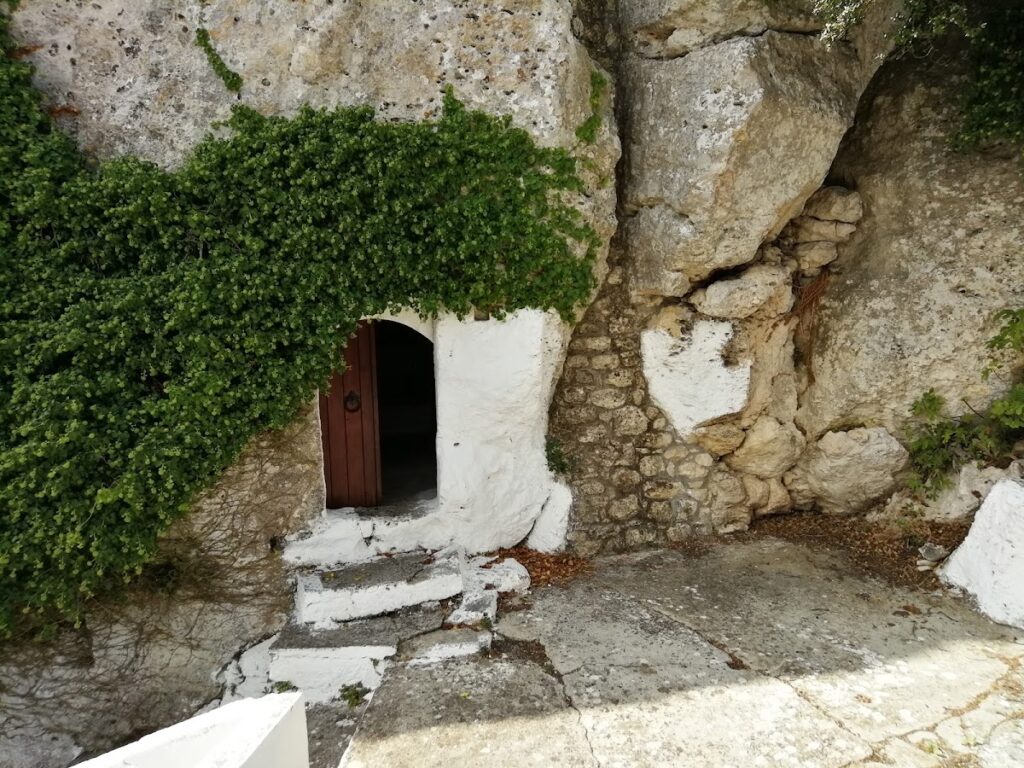
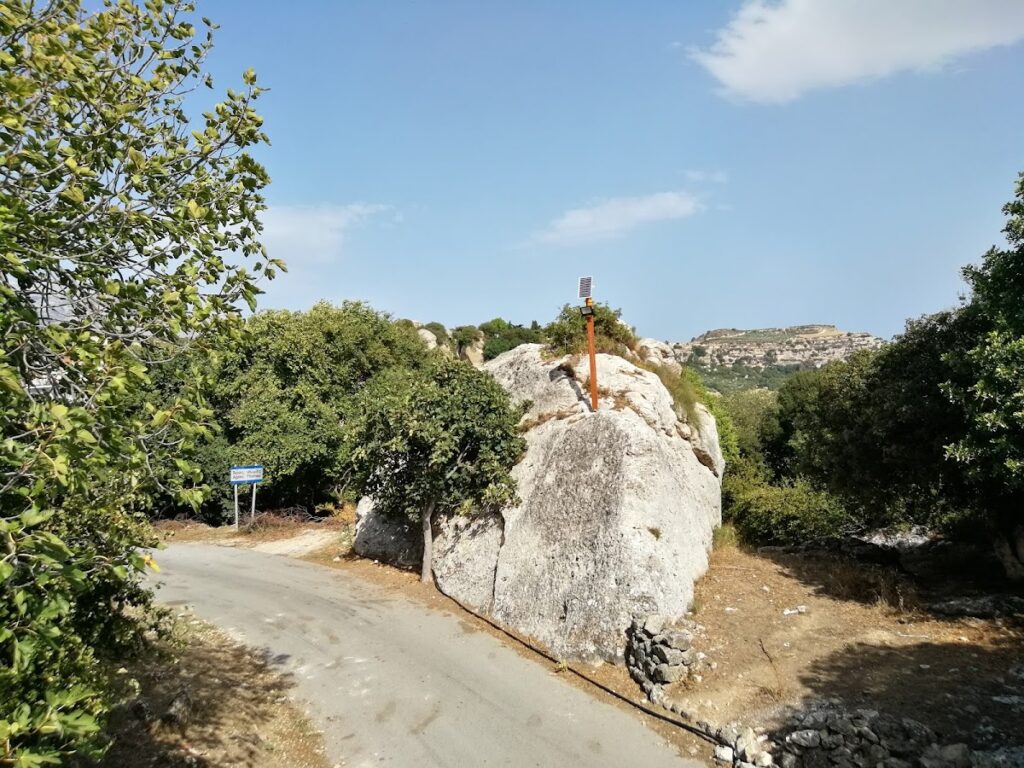
Next is Agios Thomas, a unique village often described as both the geographical and mystical center of Crete. The area is rich in sacred and archaeological sites spanning from the Neolithic period to modern times. Visitors can explore Roman tombs, ritual temples, and rock-cut chapels scattered throughout the landscape. Key highlights include the 11th-century Church of Saint Thomas and the mysterious “Gates of Hell,” a dramatic rock formation surrounded by local legends. The village carries a strong sense of spirituality and folklore, making it one of the most intriguing stops on the route.
Monastery of Panagia Kardiotissa
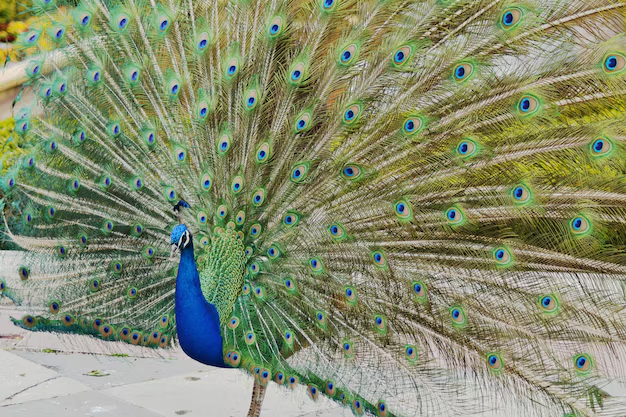
The journey then leads to the Monastery of Panagia Kardiotissa, dramatically situated on the edge of a gorge with a waterfall. This peaceful monastic complex is surrounded by lush nature and includes several charming features such as a peacock garden, vineyards, a traditional watermill, and a monumental oak tree estimated to be over 600 years old. The combination of natural beauty and religious atmosphere creates a tranquil environment ideal for reflection and exploration.
Lake Zaros
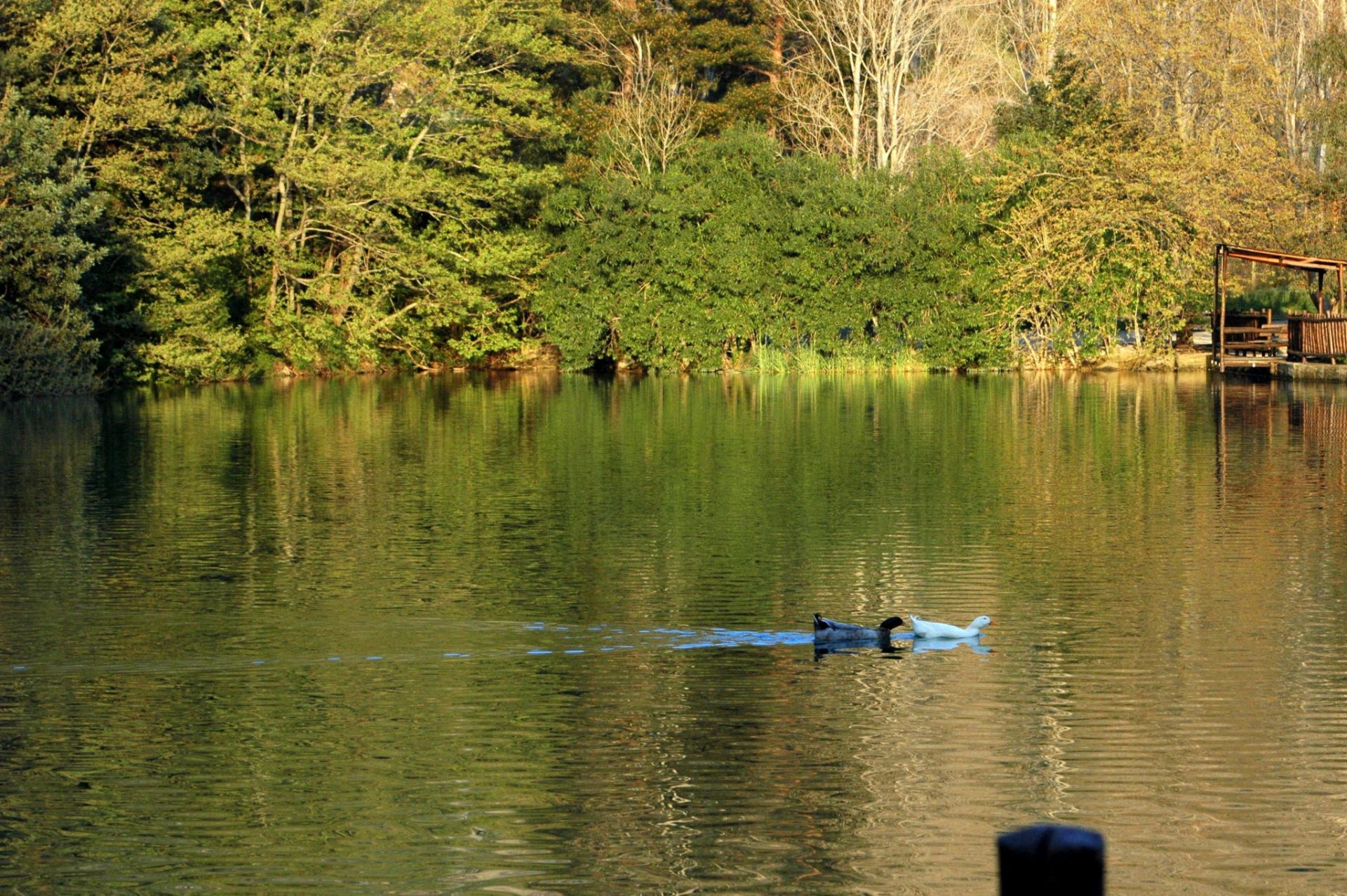
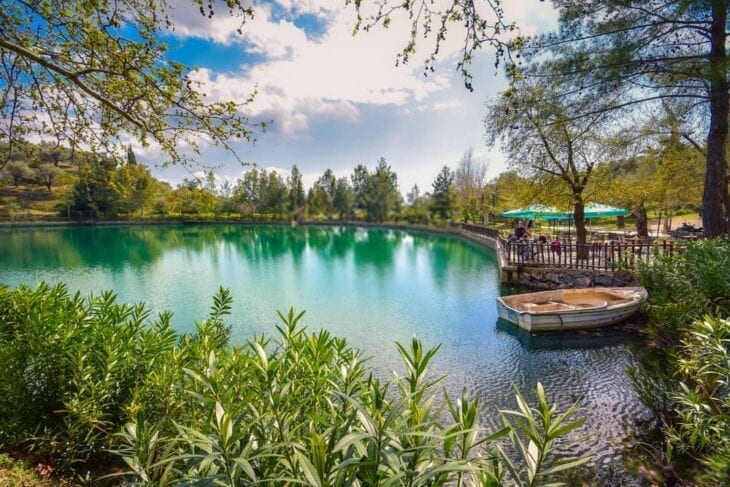
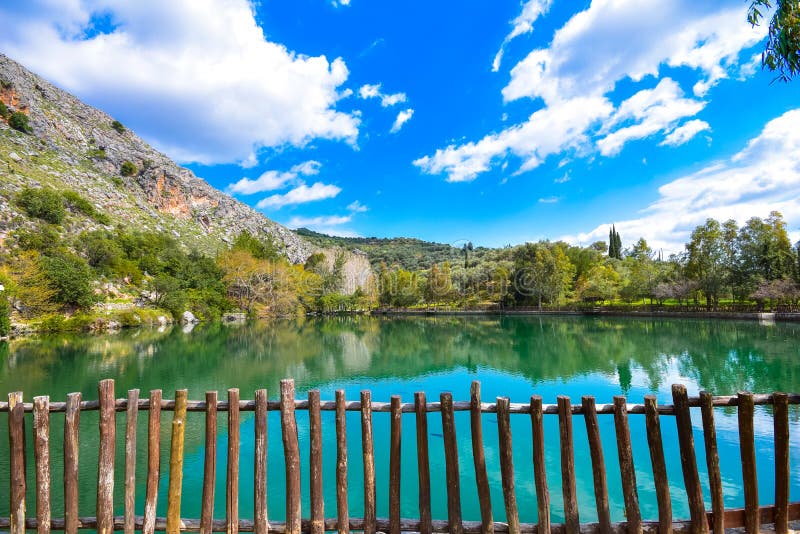
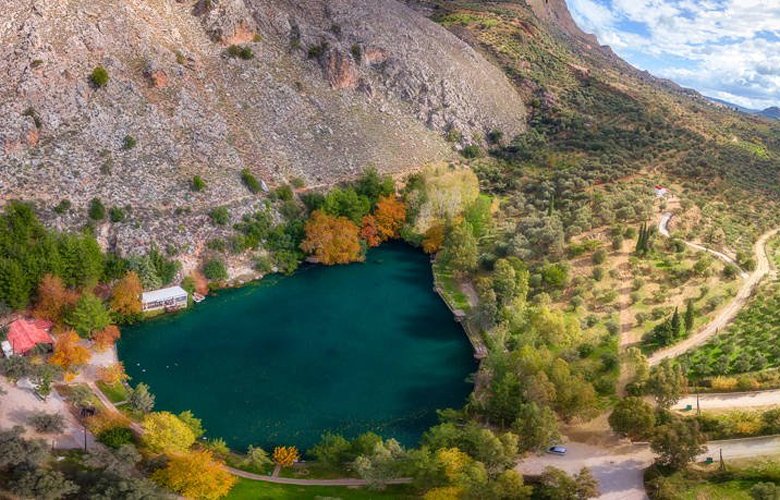
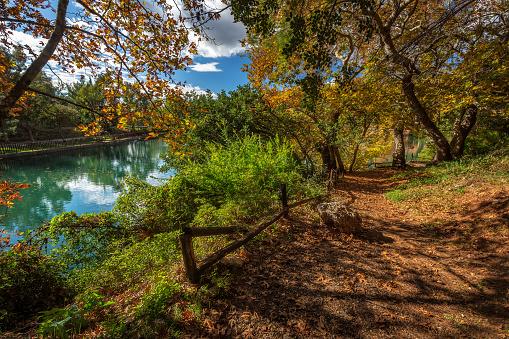
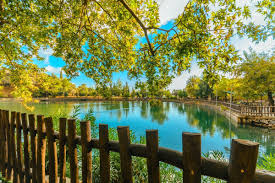
The final stop is Lake Zaros, a serene natural retreat at the foot of the mountains. The lake is known for its crystal-clear waters inhabited by fish, turtles, and geese, creating a vibrant yet peaceful ecosystem. A walking path circles the lake, making it ideal for leisurely strolls in nature. From here, a hiking route begins that leads through a scenic gorge toward the southern coast. Nearby, traditional family-run tavernas serve local Cretan cuisine, attracting both locals and visitors seeking an authentic culinary experience in a picturesque setting.