South Crete Journey. Agios Myronas, Gortyna & Matala Scenic Drive
Agios Myronas Village
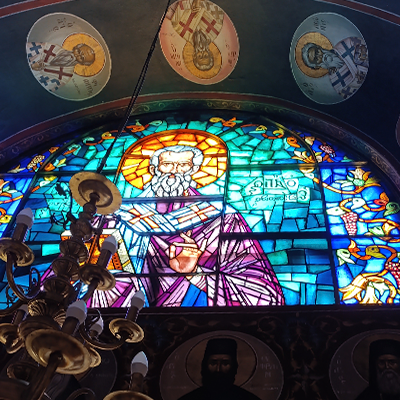
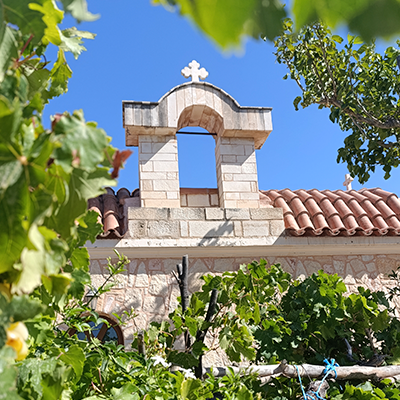
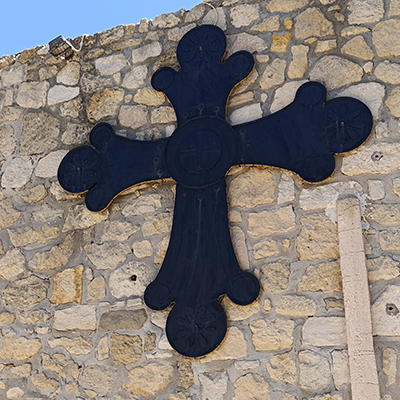
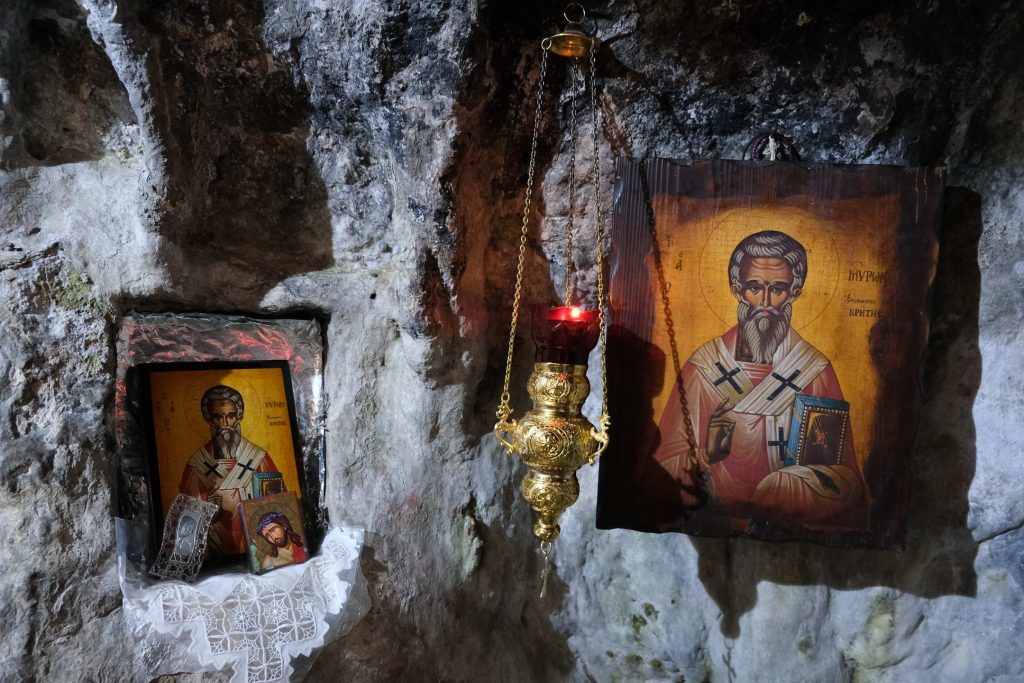
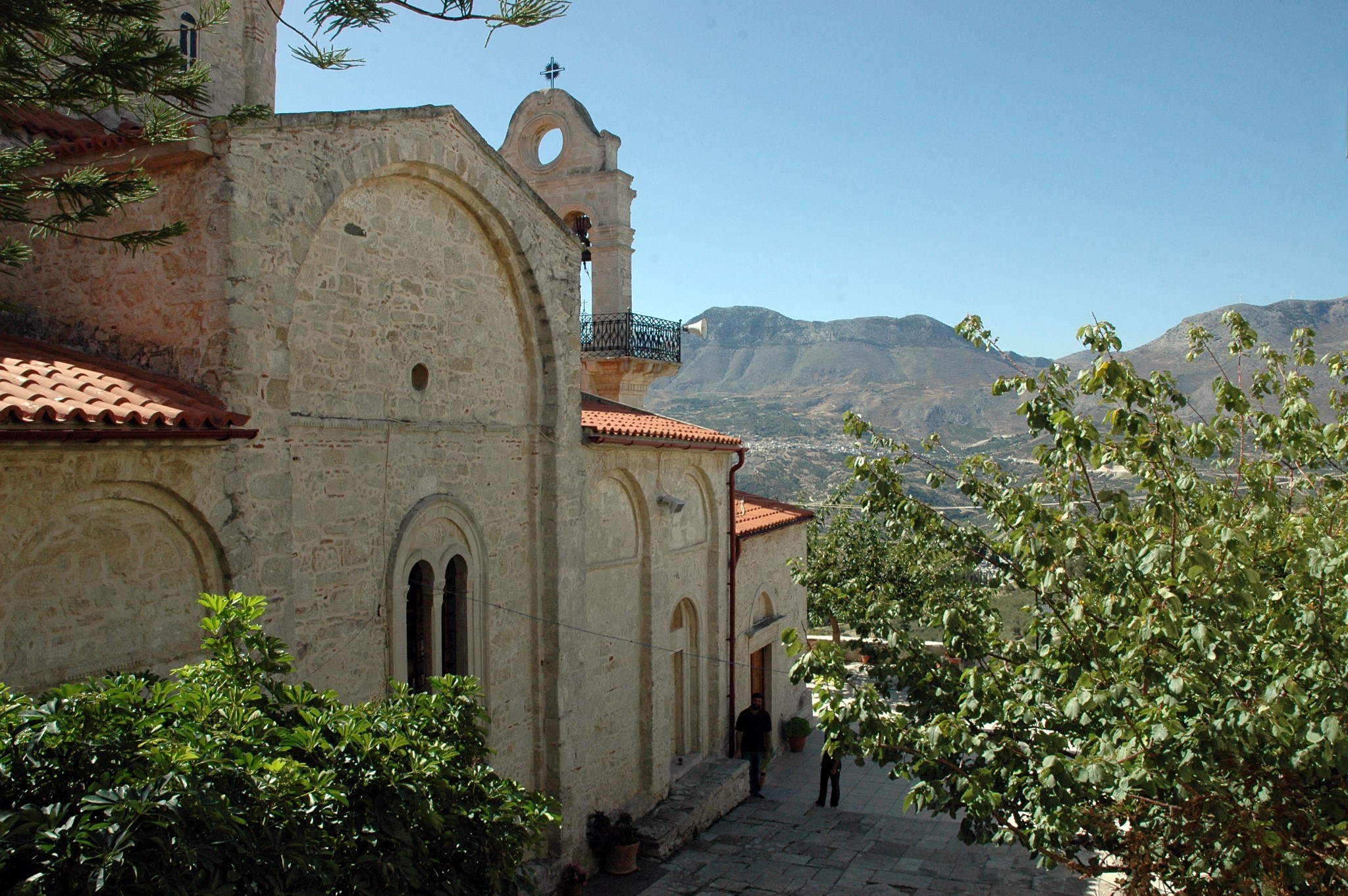
Nestled among the hills of central Crete, Agios Myronas is a traditional village named after Saint Myron, one of the island’s most revered early Christian bishops. The village is home to a beautiful medieval church adorned with colorful stained-glass windows and remarkable religious artwork. One of its most important landmarks is the cave-like cell of Saint Myron, where a sacred spring still flows today. Visitors can explore the peaceful surroundings, learn about local traditions, and enjoy panoramic views of the Cretan countryside while experiencing the spiritual atmosphere that has attracted pilgrims for centuries.
Gortyna
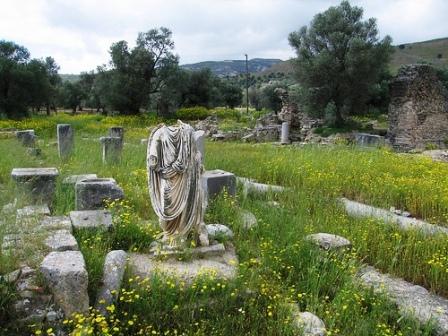
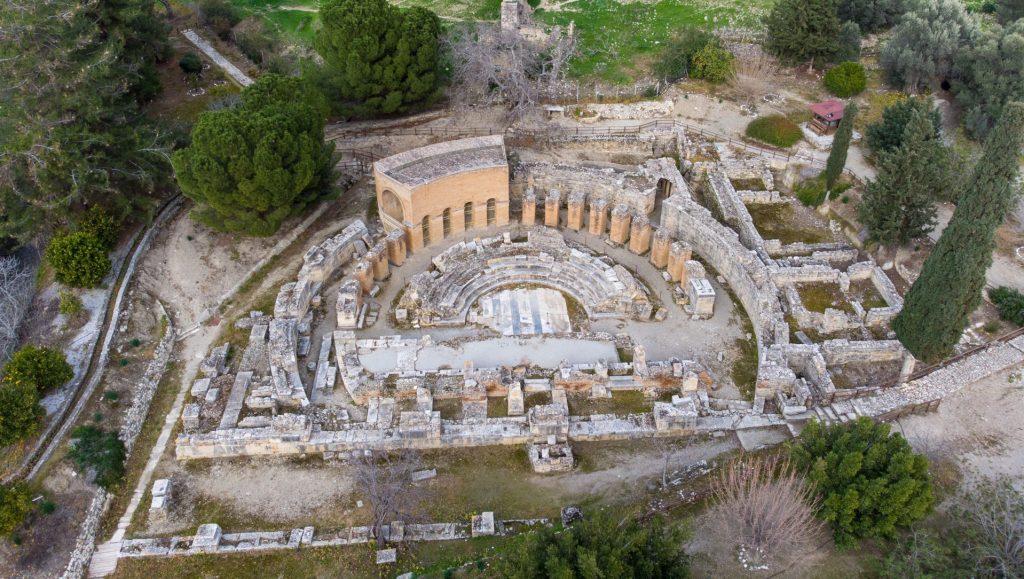
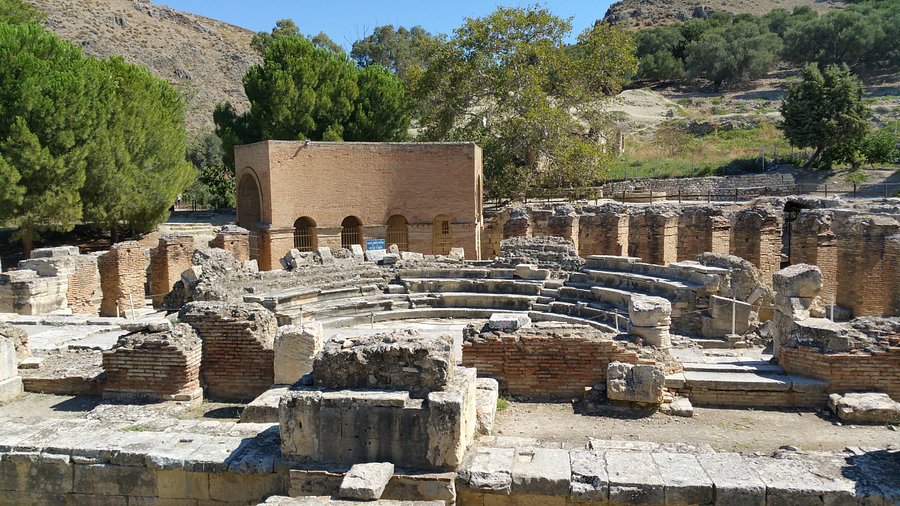
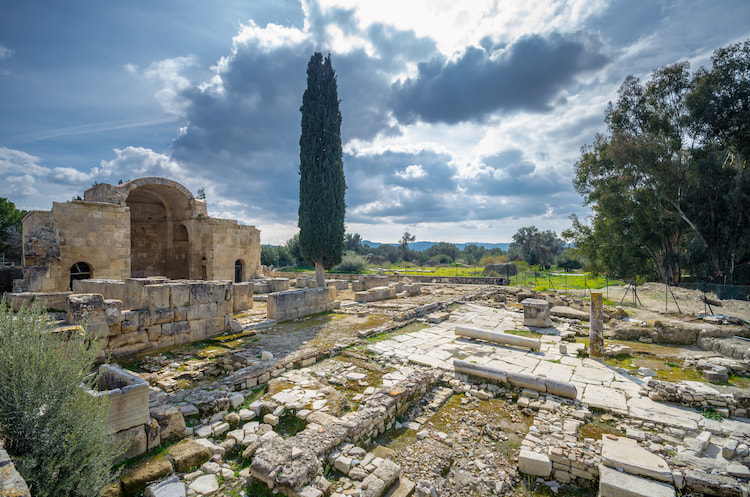
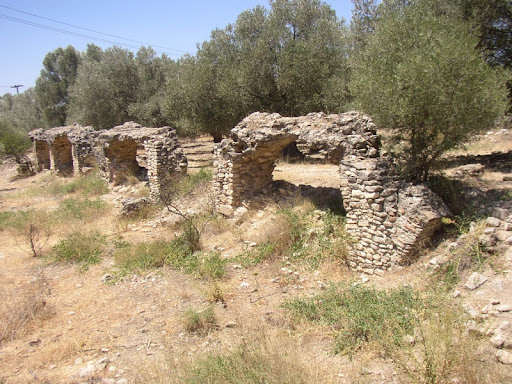
Gortyna is one of the most important archaeological sites in Greece and the largest archaeological park on Crete. With a history spanning more than 6,000 years, it was once the capital of Roman Crete and a thriving center of politics, trade, and culture. The site features impressive remains from Minoan, Greek, Roman, and Byzantine periods, including temples, theaters, baths, and early Christian basilicas. Visitors can also see the famous Gortyn Law Code, one of the oldest and most complete legal inscriptions in Europe. Walking through Gortyna offers a fascinating journey through the many civilizations that shaped the island.
Matala
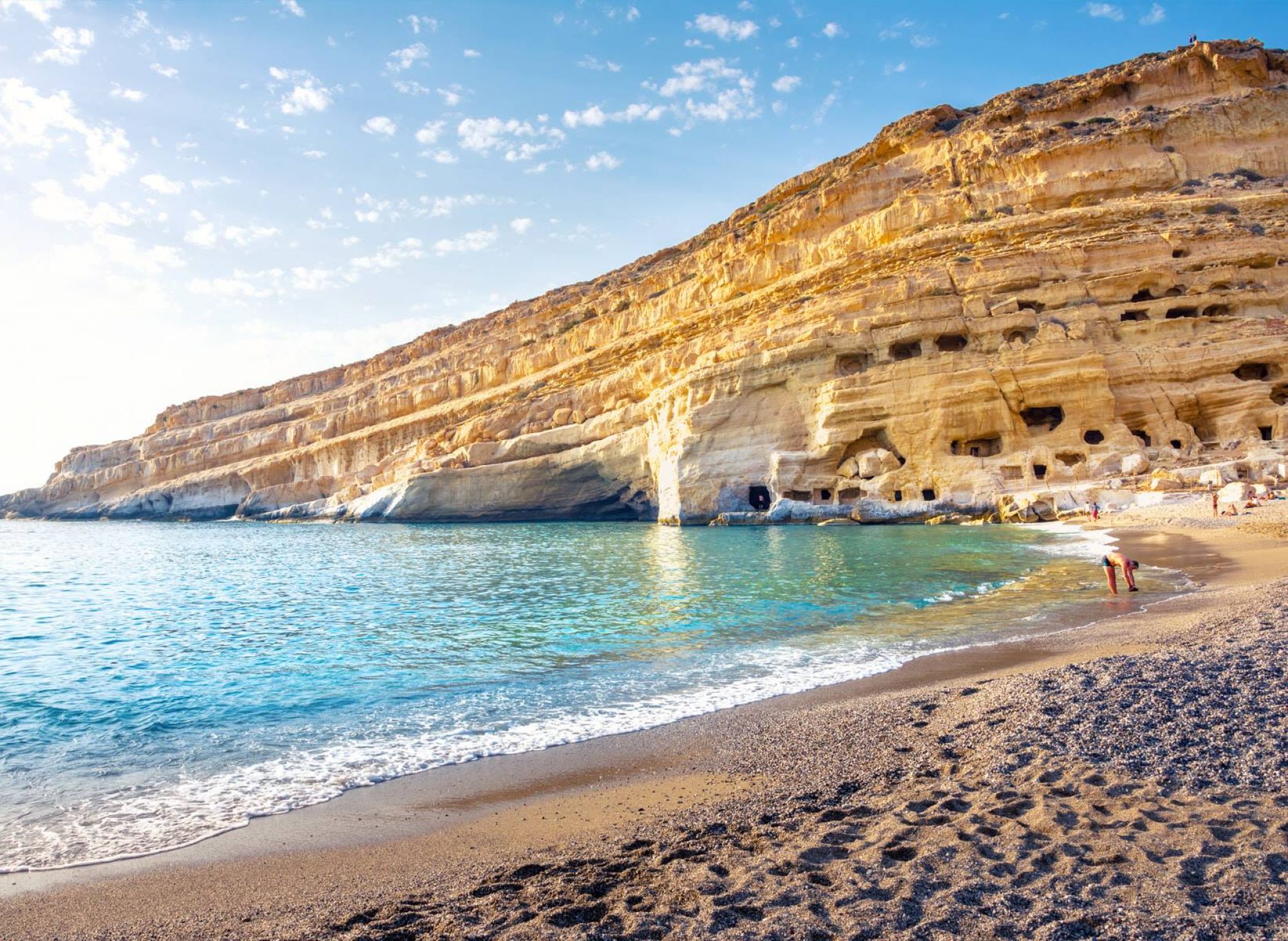
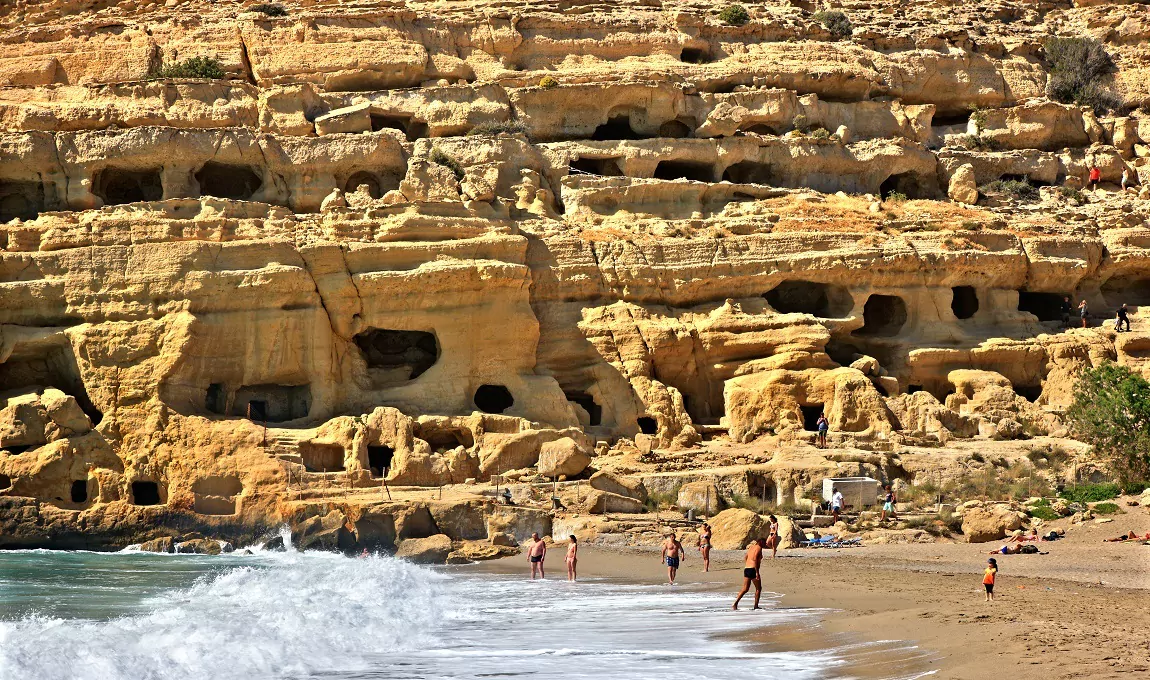
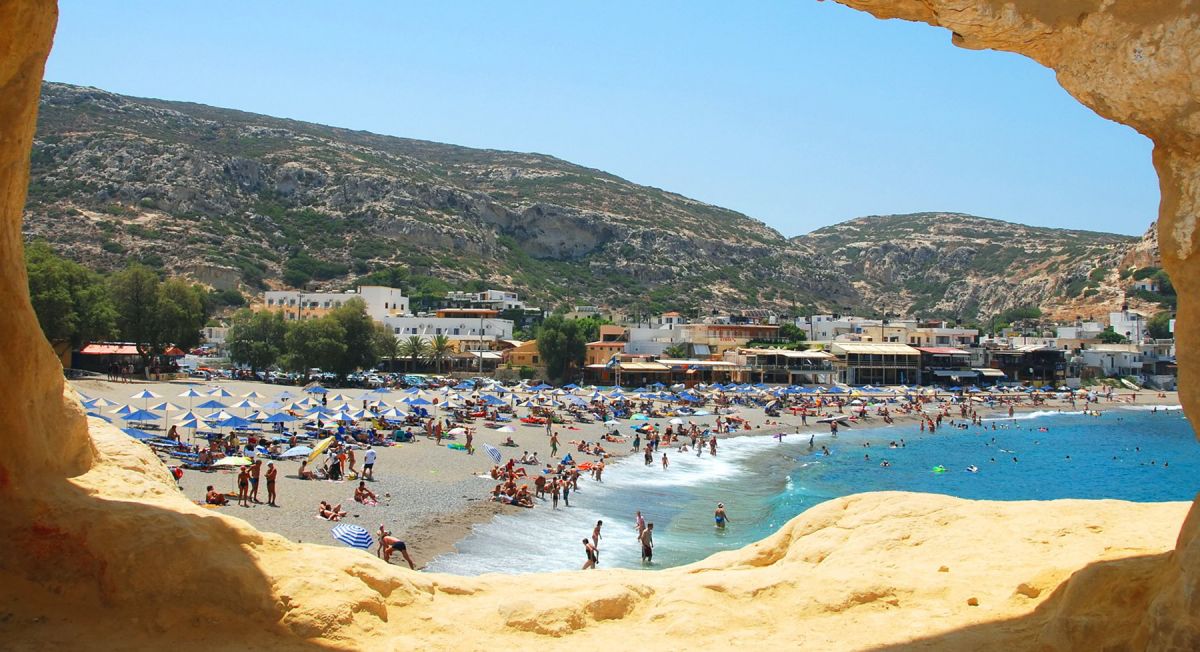
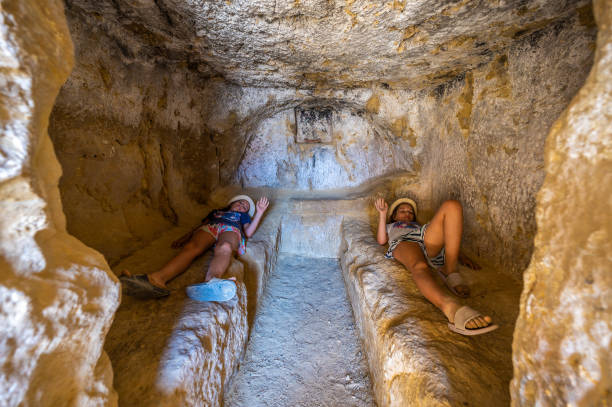
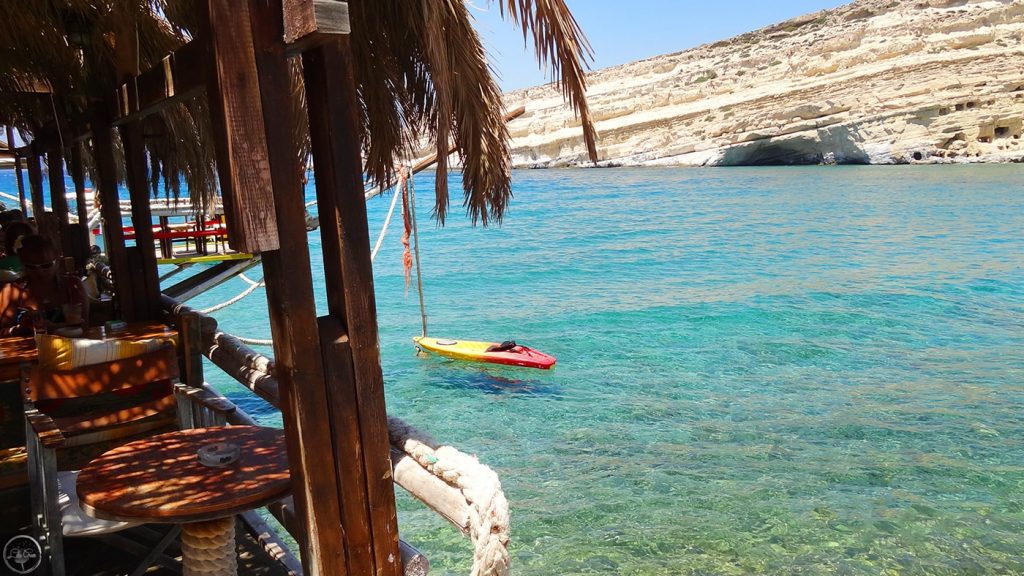
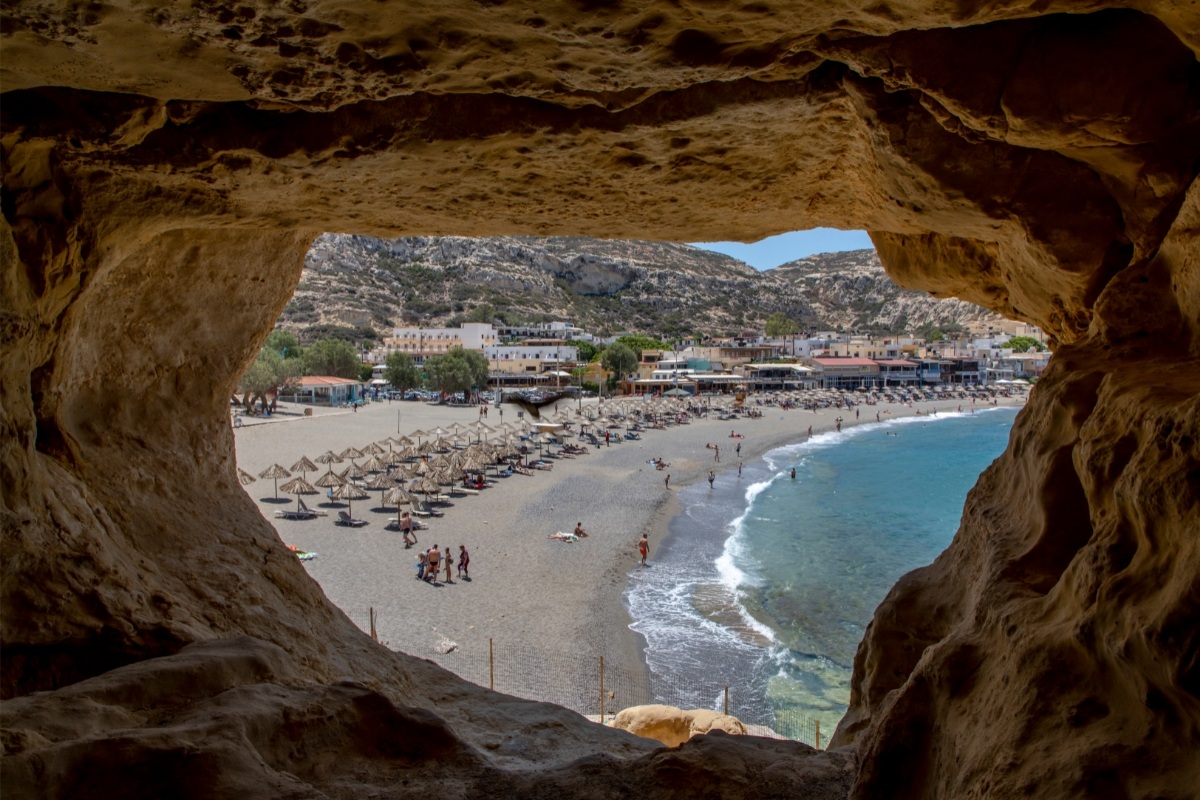
Once the ancient port of Gortyna, Matala is now one of Crete’s most iconic seaside destinations. The village became internationally famous in the 1960s and 1970s when it attracted hippies, artists, and travelers from around the world, including several well-known musicians. Today, Matala combines its bohemian heritage with a relaxed Mediterranean atmosphere. Its golden sandy beach, crystal-clear waters, and unique caves carved into the coastal cliffs create an unforgettable landscape. The town’s mild microclimate, vibrant waterfront cafés, and spectacular sunsets make it a favorite destination for visitors seeking both natural beauty and a touch of history.