West Crete Scenic Route. Lappa – Kournas Lake – Botanical Park Road Trip
Ancient Lappa
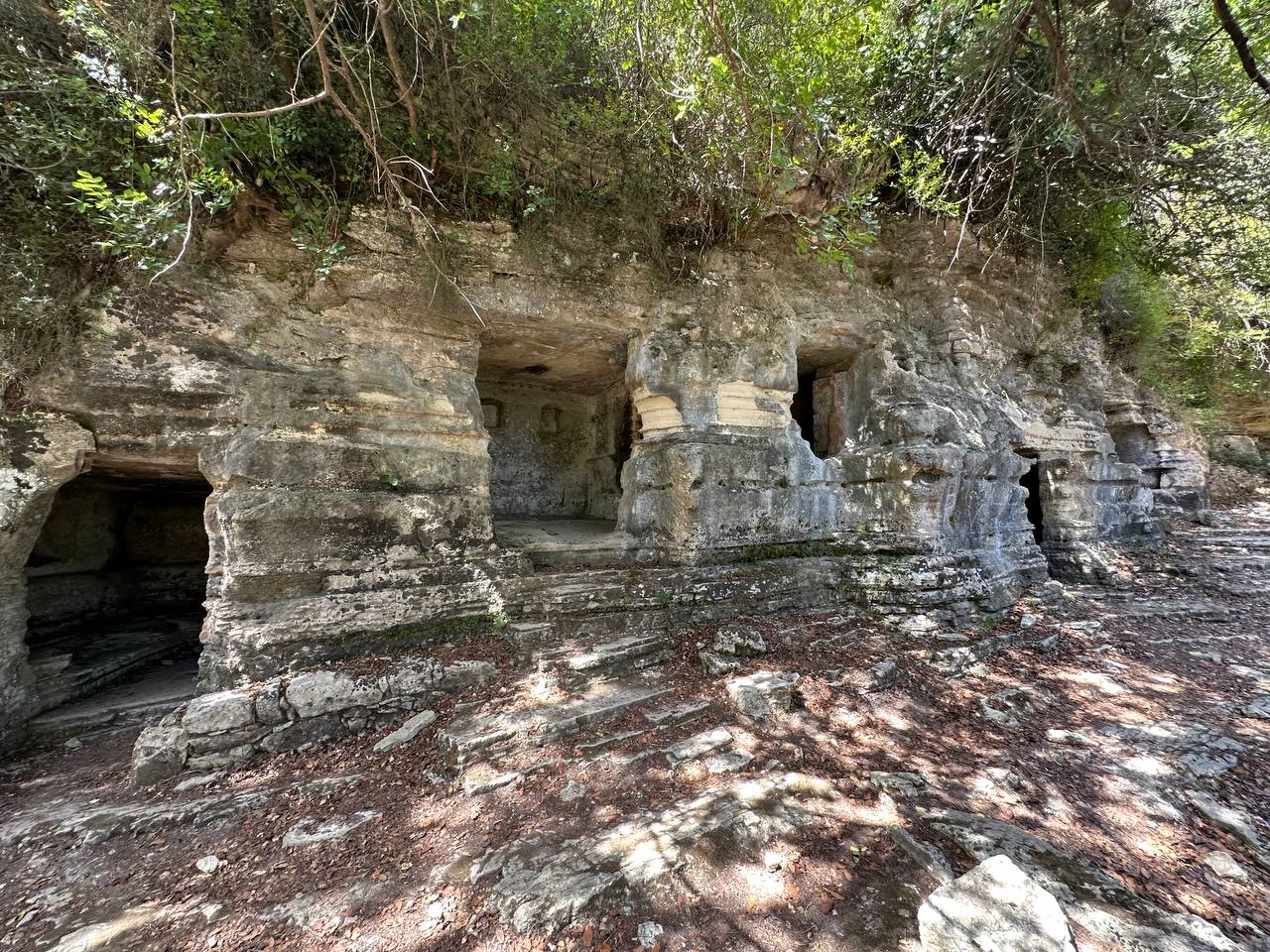
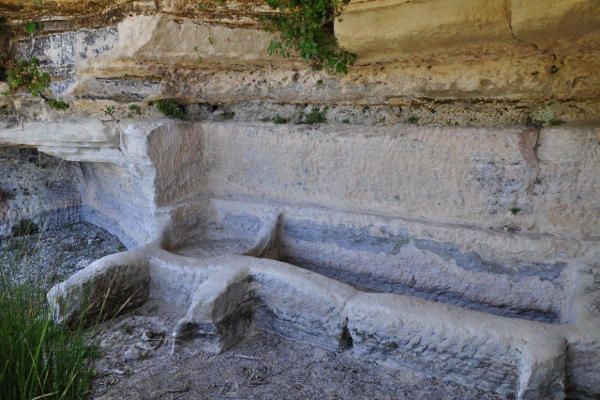
The tour begins with a visit to Ancient Lappa, an important archaeological site founded after the decline of the Minoan civilization. The city flourished in later antiquity and left behind significant remains that provide insight into early post-Minoan Crete. Archaeological excavations have uncovered a rich collection of artifacts, including original amphorae, coins, household vessels, and statues, many of which are now exhibited in the Archaeological Museum of Rethymno. Lappa is particularly known for its Roman-era burials and its network of ancient paved roads, which once connected the settlement with other parts of the island. Although the city was eventually destroyed at the beginning of the Common Era, its ruins still reflect its historical importance and strategic role in antiquity.
Lake Kournas
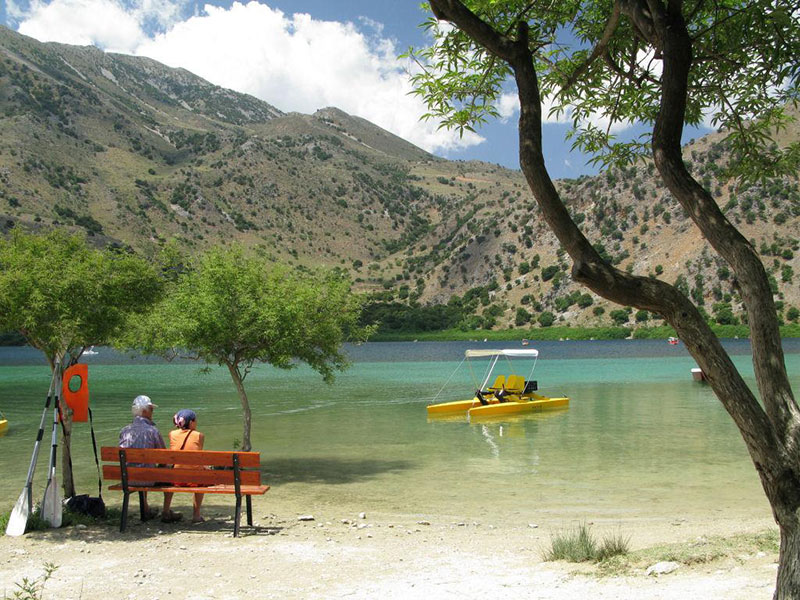
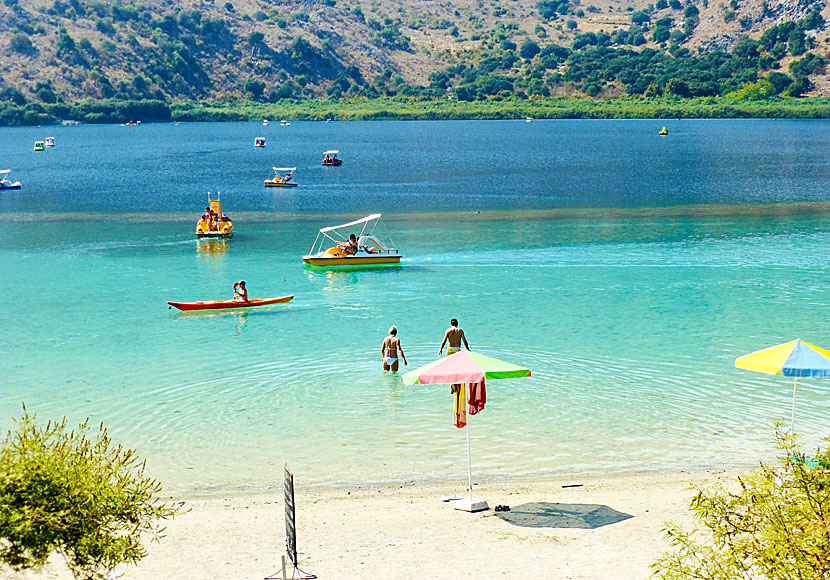
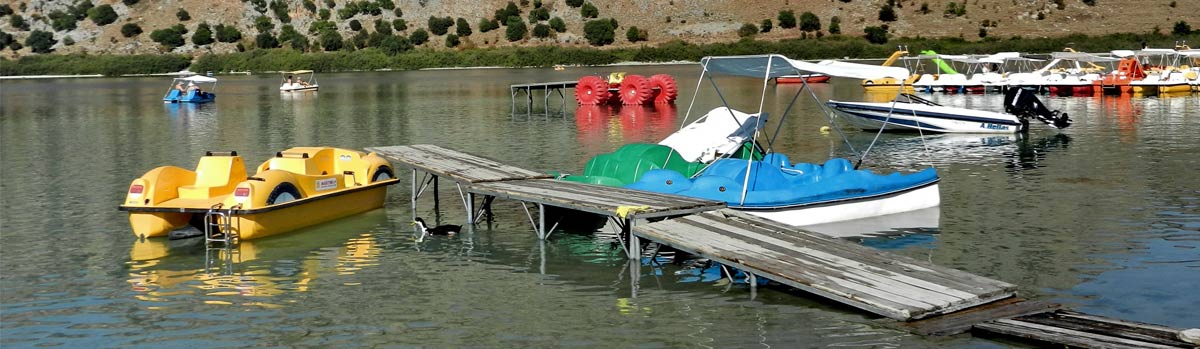
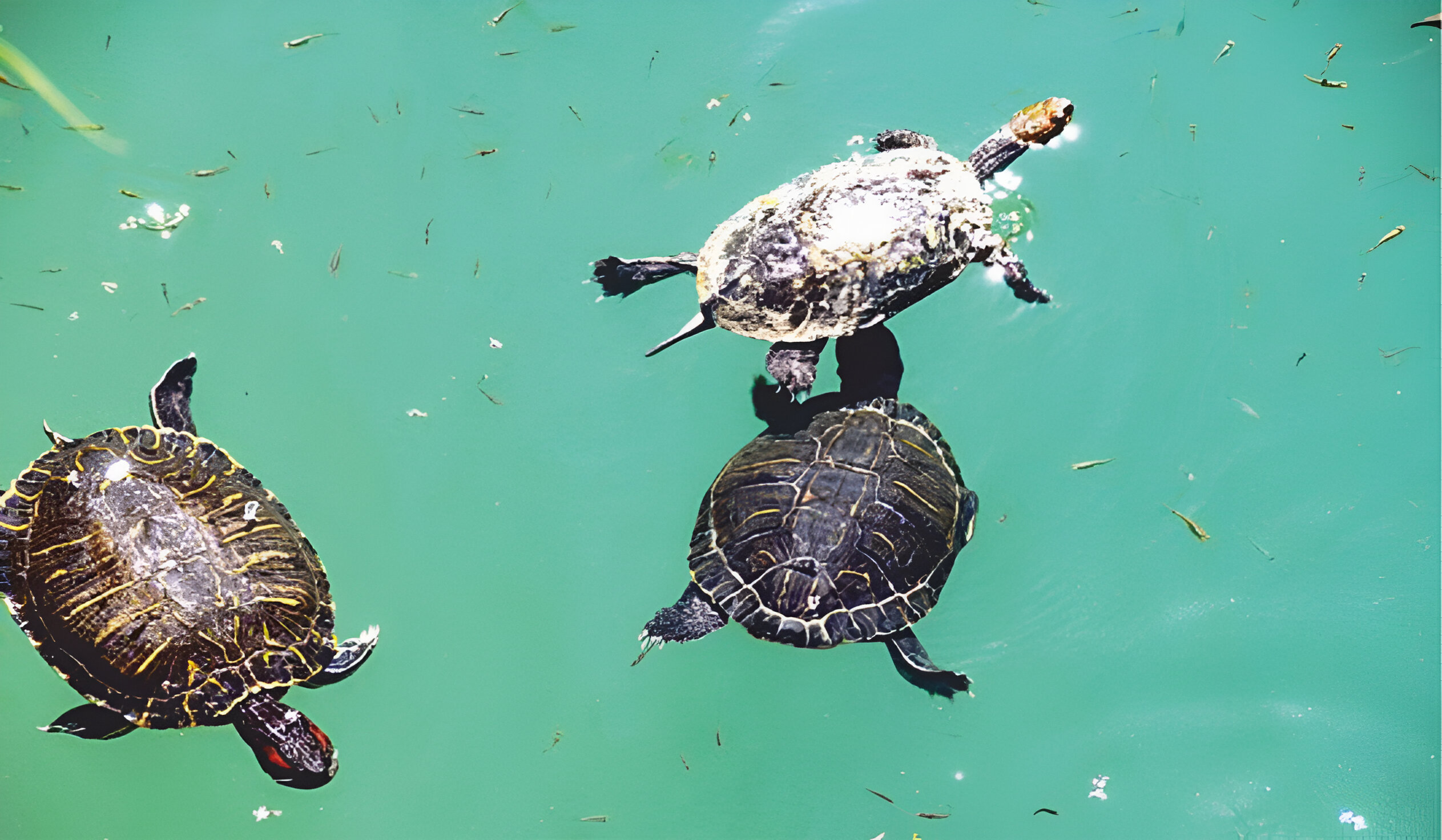
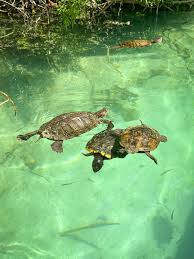
The journey continues to Lake Kournas, the only natural freshwater lake on the island of Crete. Surrounded by hills and lush vegetation, it offers a rare and peaceful landscape compared to the island’s coastal scenery. The lake is famous for its clear waters and rich biodiversity, including turtles that can often be seen swimming close to the shore. Visitors have the opportunity to explore the lake by pedal boat, relax along its banks, or even swim in designated areas. The calm atmosphere and natural beauty make Kournas a popular yet tranquil escape, ideal for both relaxation and light recreation in nature.
Botanical Park and Gardens of Crete
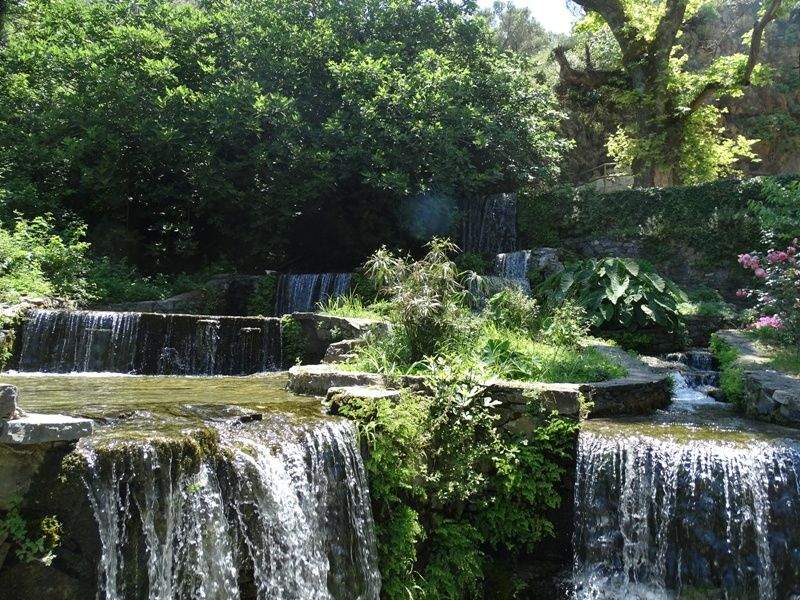
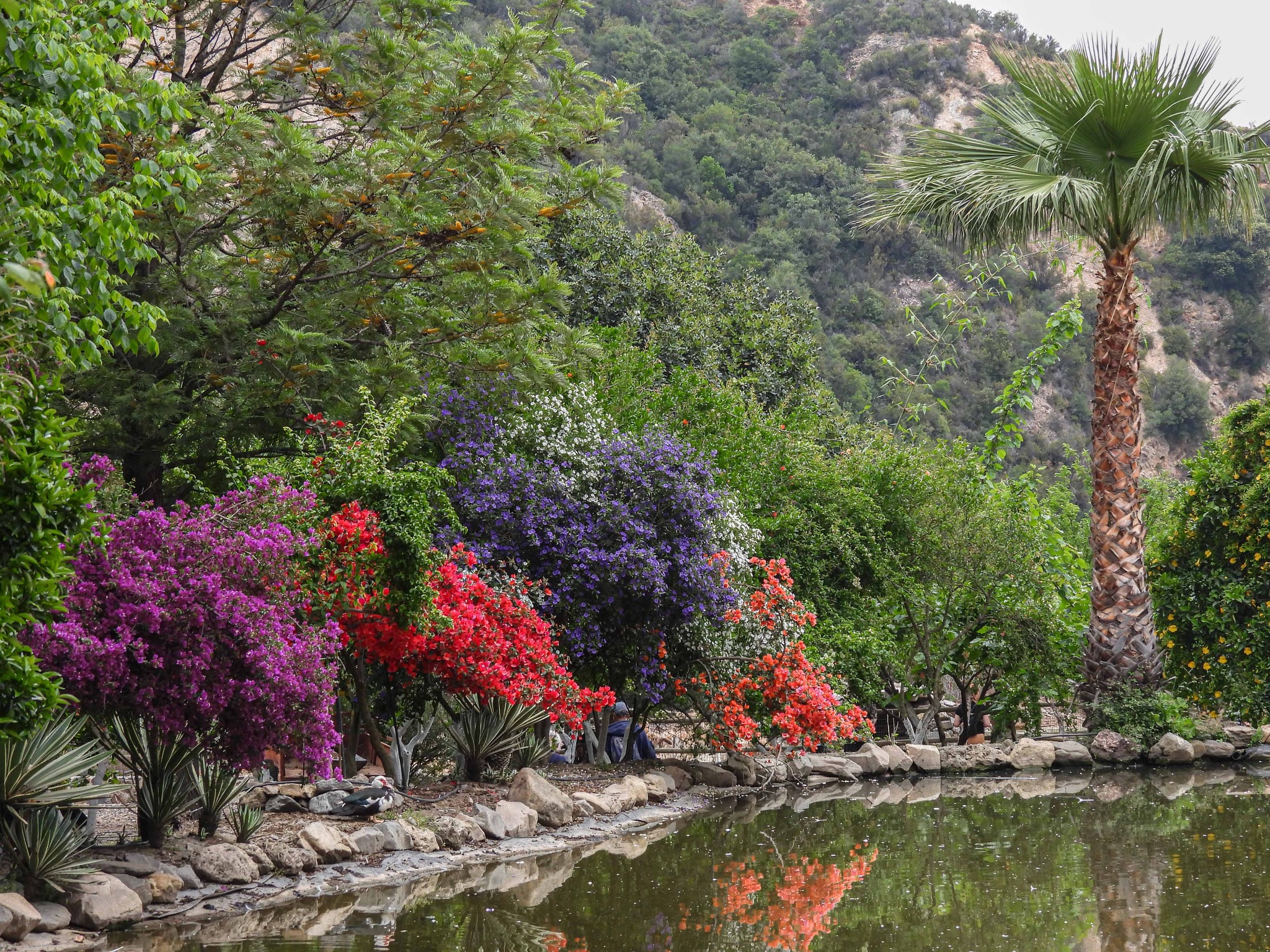
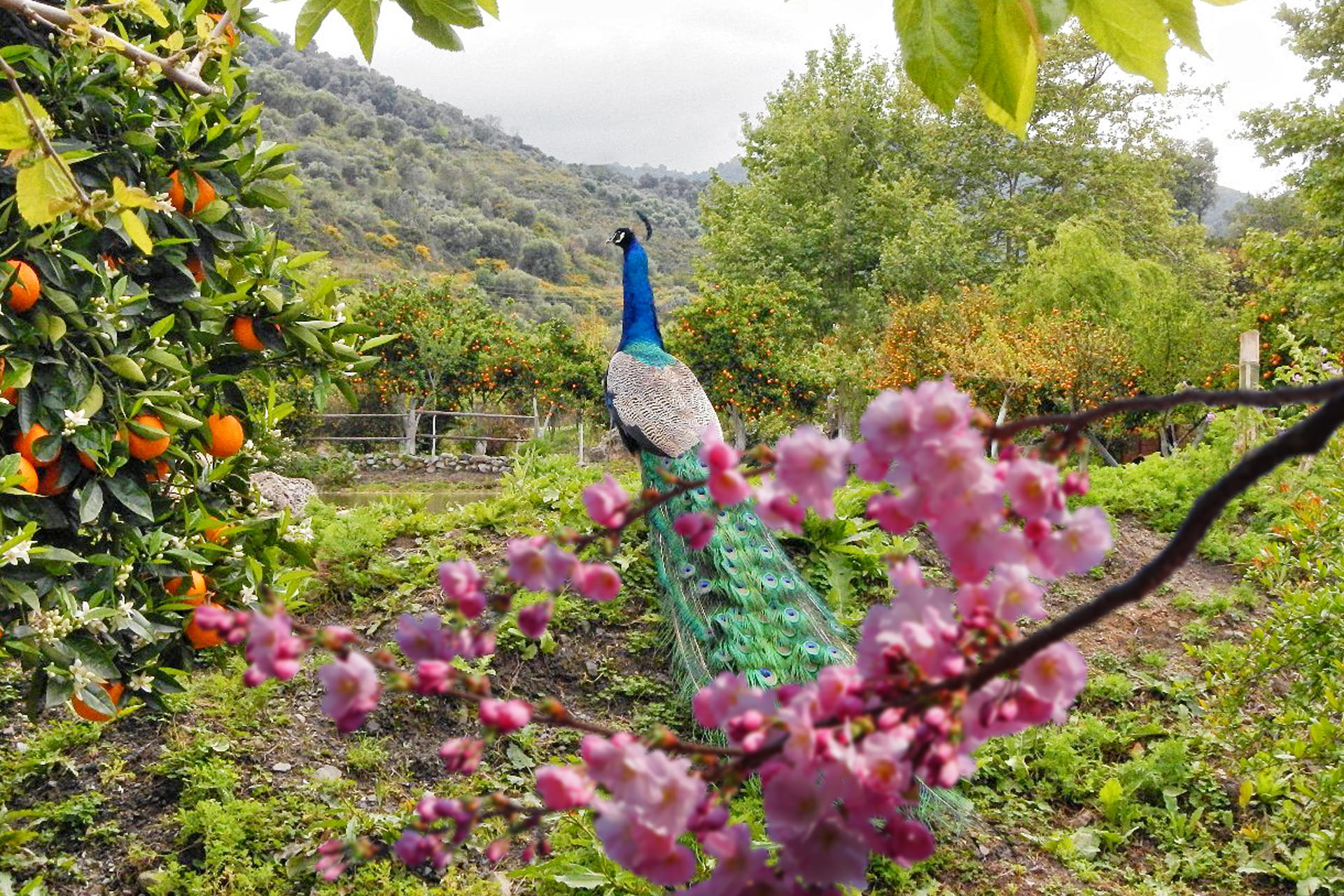
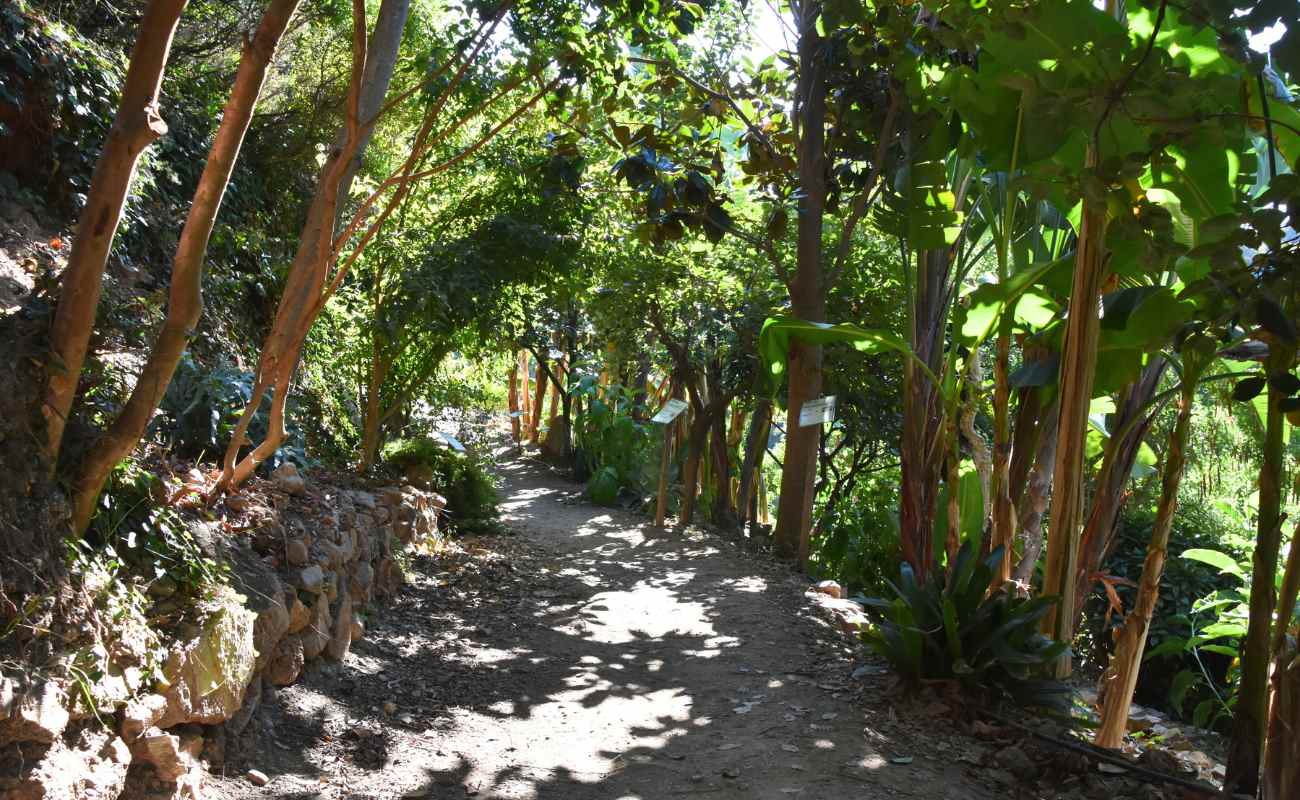
The final stop is the Botanical Park and Gardens of Crete, a beautifully designed natural space covering nearly 20 hectares at the foothills of the White Mountains. A well-maintained 2.5-kilometer walking trail guides visitors through a diverse landscape featuring plants from all over the world that have adapted to the Cretan climate. Along the route, guests encounter a small lake inhabited by waterfowl, a clearing with peacock enclosures, and areas where small farm animals can be observed. The park offers a rich botanical experience combined with educational and ecological value, showcasing both native and exotic species in a harmonious environment. At the exit, visitors can purchase Cretan products such as aromatic herbs, local delicacies, and traditional drinks. A nearby restaurant also serves regional cuisine, allowing guests to enjoy a full gastronomic experience in a natural setting.