Crete Heritage Journey. Pottery Villages, Arkadi & Matala Coastal Drive
Margarites Village
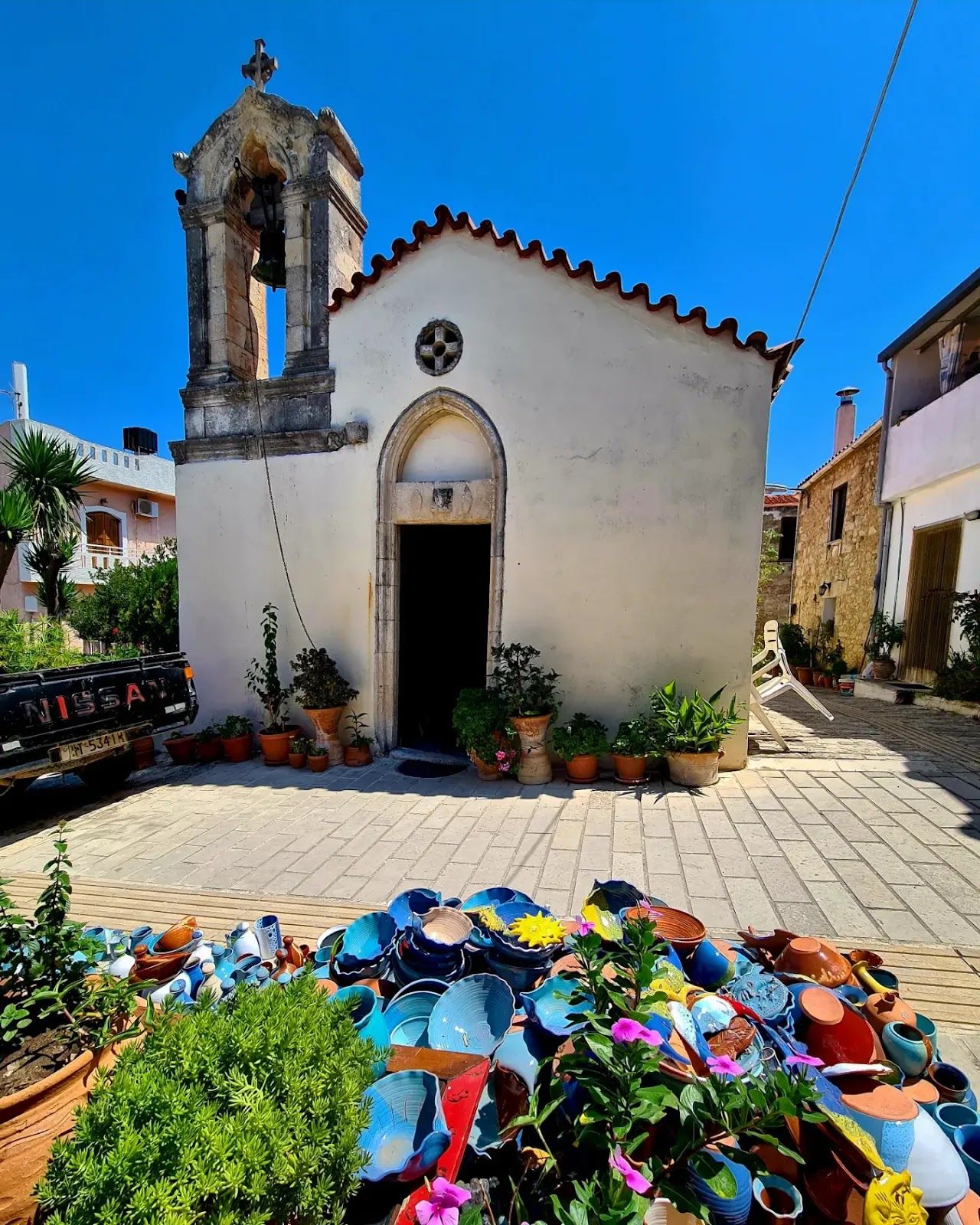
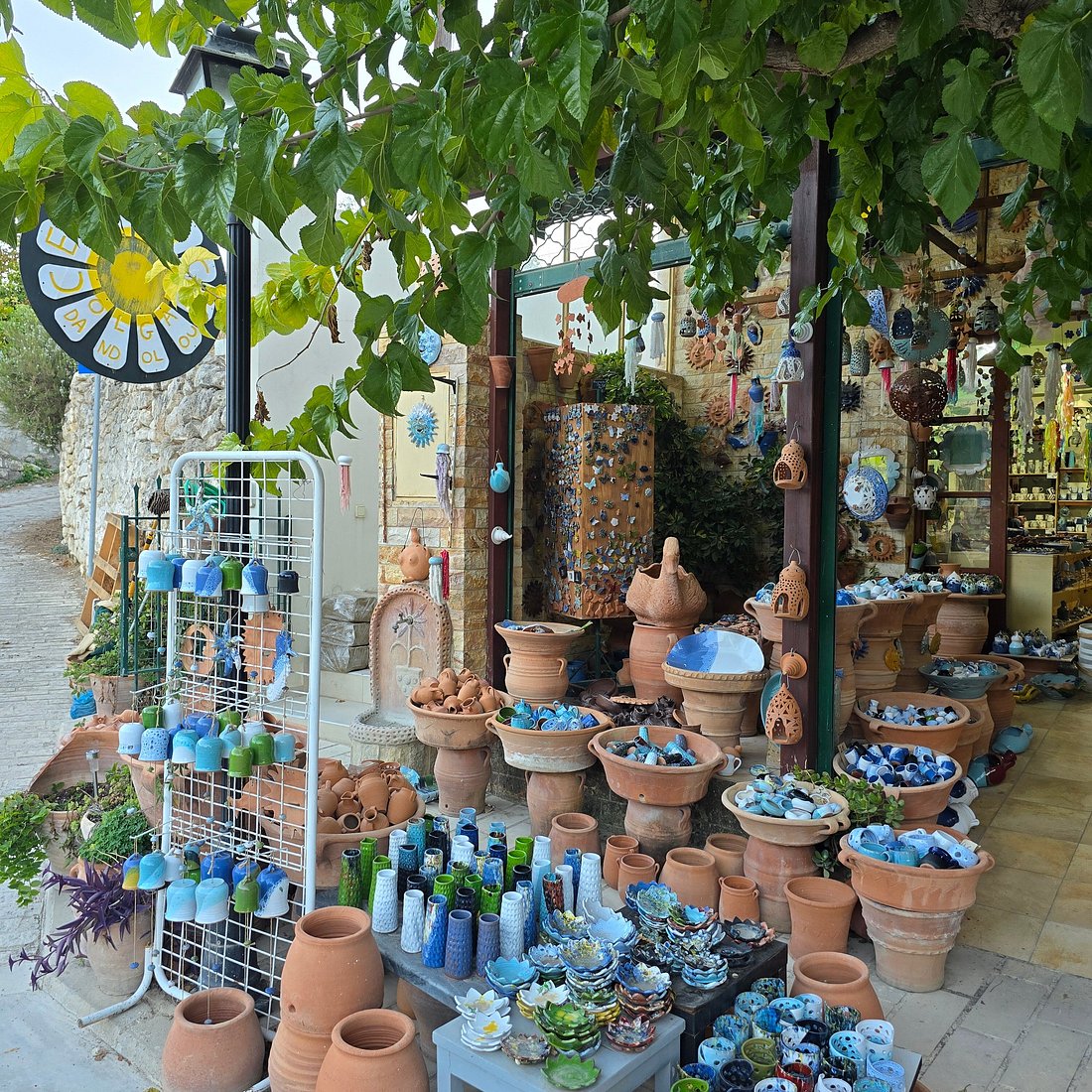
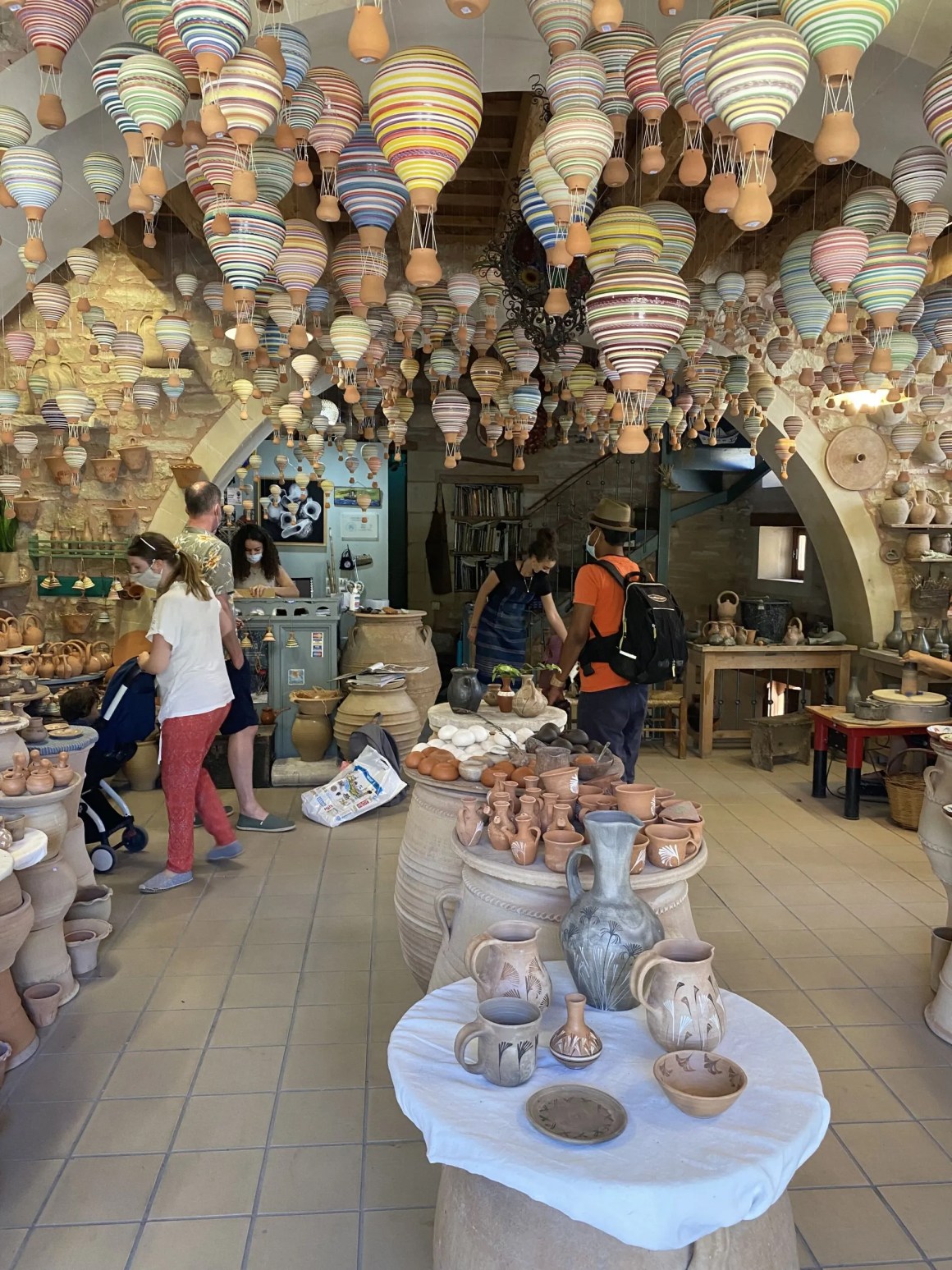
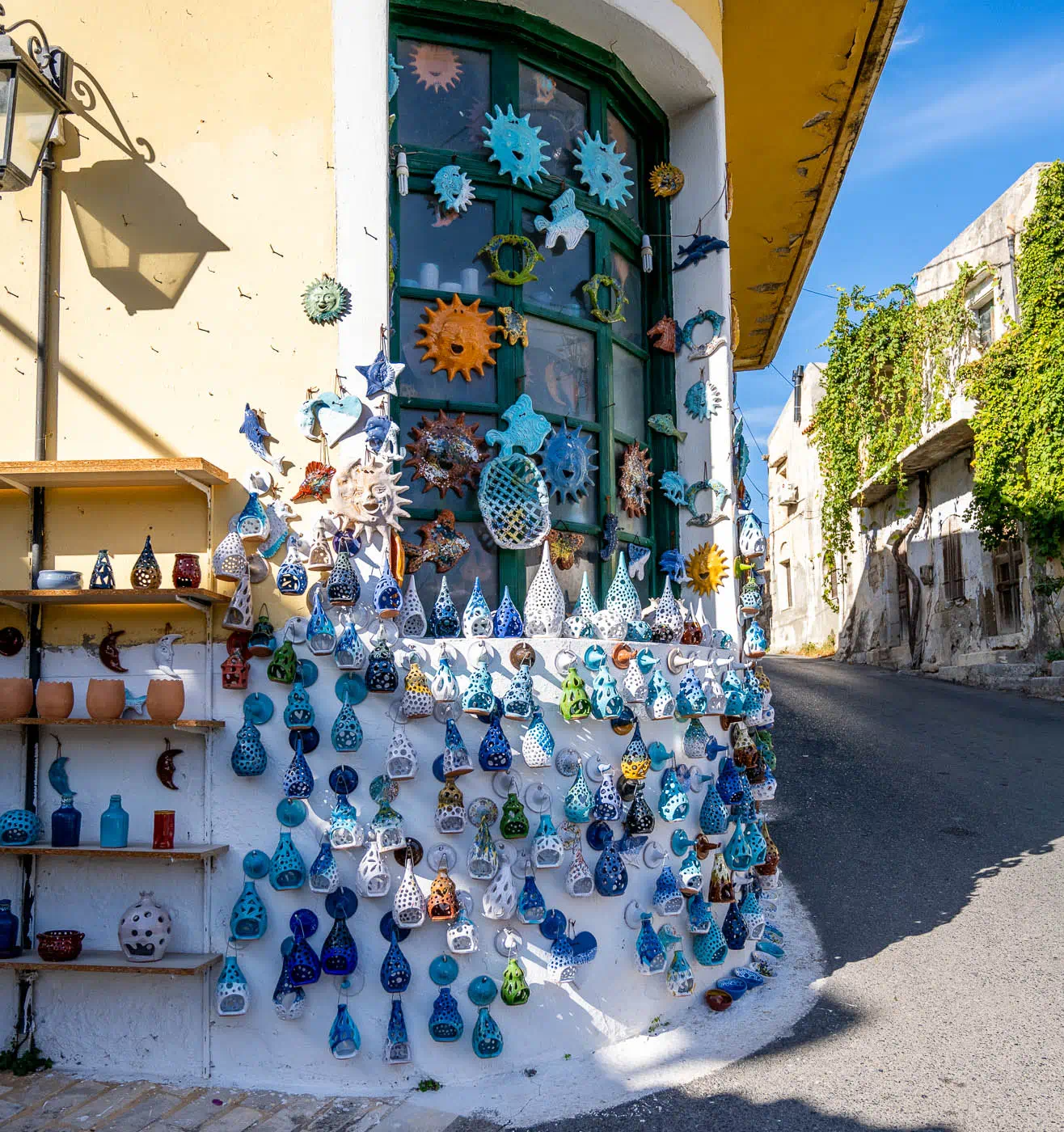
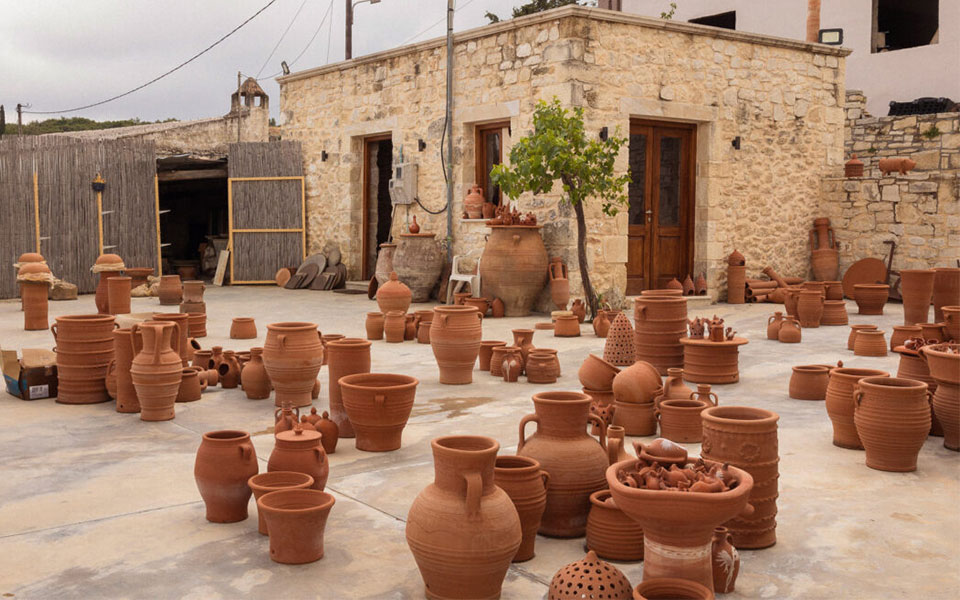
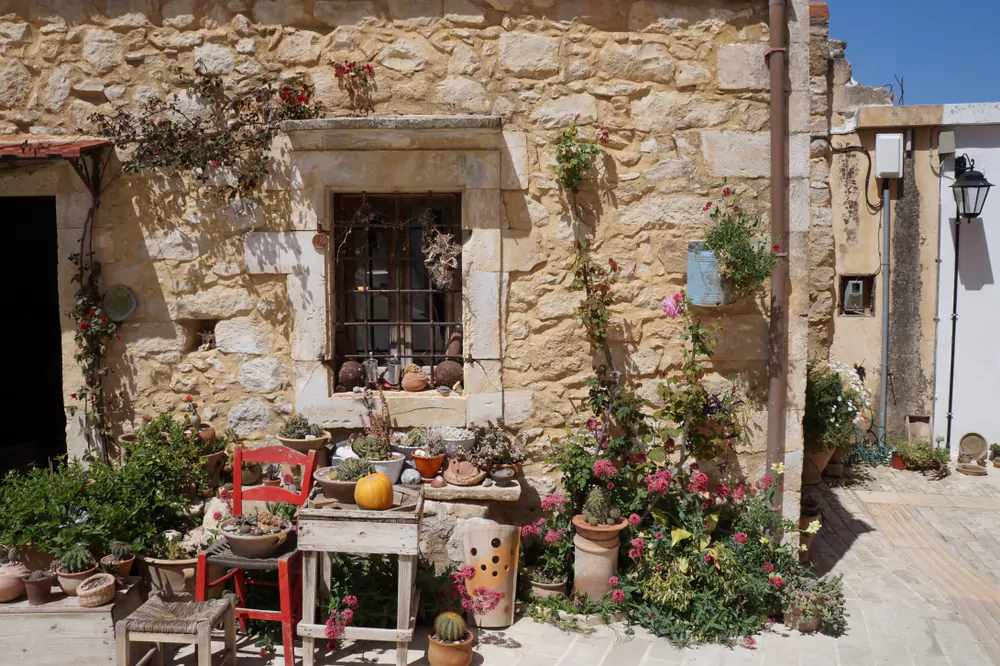
The tour begins with a visit to Margarites, a charming traditional village renowned throughout Crete and beyond as an international center of ceramic art. Surrounded by olive groves and rolling hills, the village has preserved its pottery-making traditions for thousands of years. Archaeological findings show that local workshops existed as early as the Minoan period, making Margarites one of the oldest continuously active pottery centers in Greece. As you stroll through its narrow streets, you will discover numerous family-run workshops and galleries where artisans create unique handmade pieces using techniques passed down through generations. Every item displayed and sold in the village is handcrafted, reflecting the creativity, skill, and cultural heritage of the region.
Arkadi Monastery
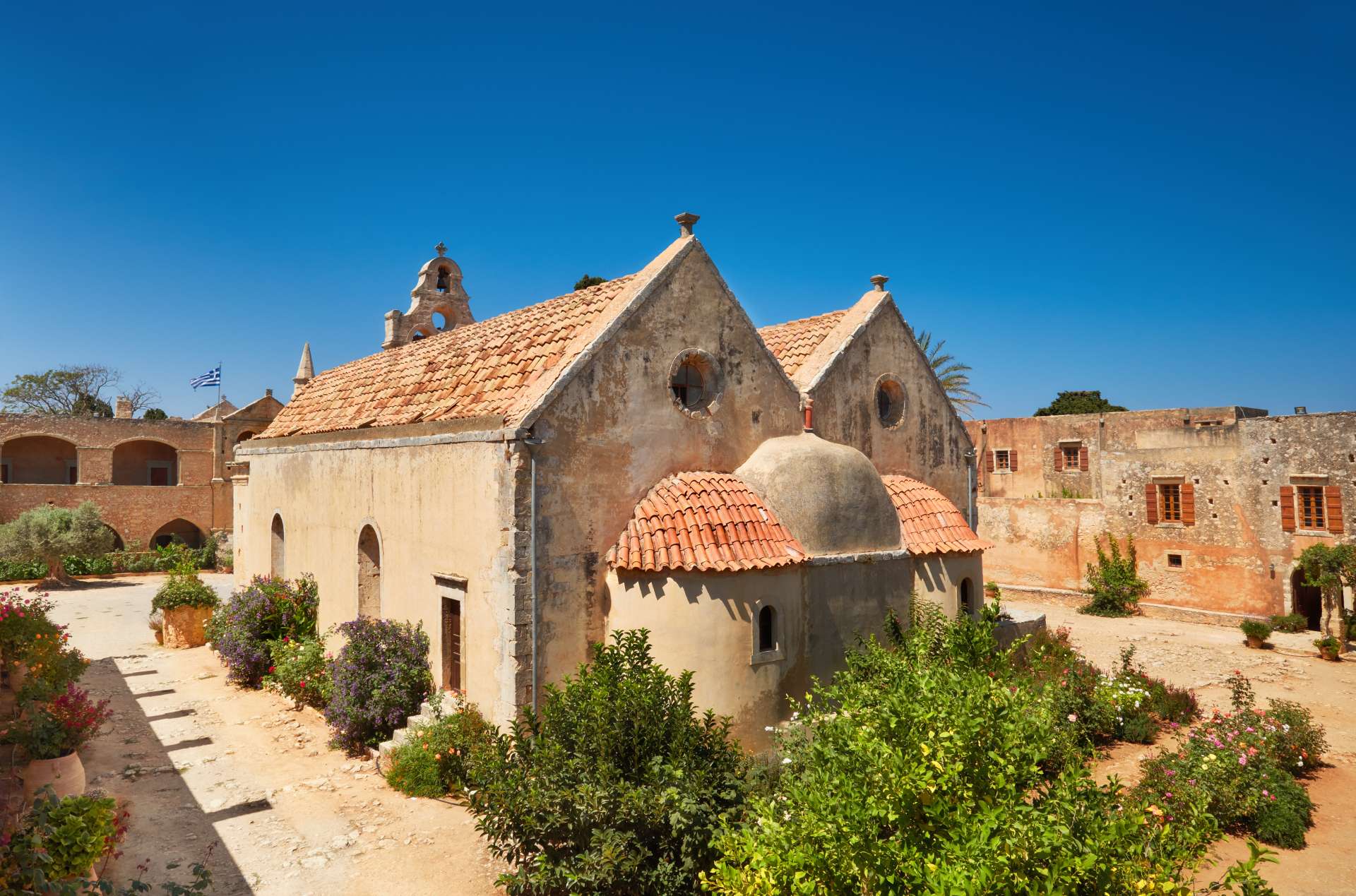
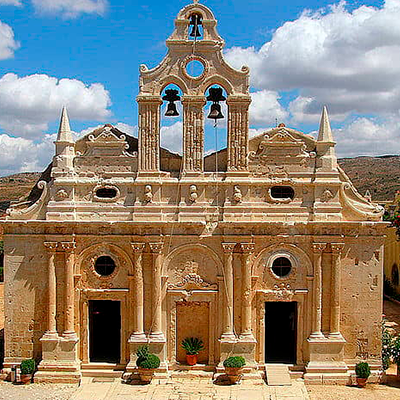
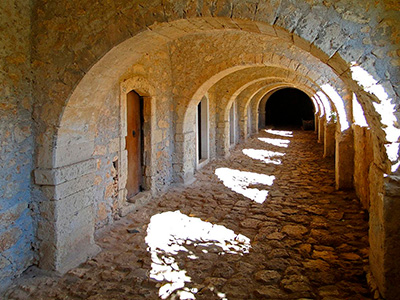
The journey continues to the historic Arkadi Monastery, one of the most important religious and cultural landmarks of Crete. Founded in the 11th century, the monastery is a major pilgrimage destination for Christians from around the world and a symbol of the island’s resilience and struggle for freedom. Visitors can explore the impressive church, the monastery’s main place of worship, as well as the historic refectory, traditional cellars, monks’ quarters, and the famous gunpowder room associated with the dramatic events of 1866. The complex also includes a museum dedicated to monastic life, an exhibition of religious relics, and an art gallery featuring valuable ecclesiastical treasures. Religious services are held daily at 6:00 AM and 5:00 PM.
Phaistos Palace
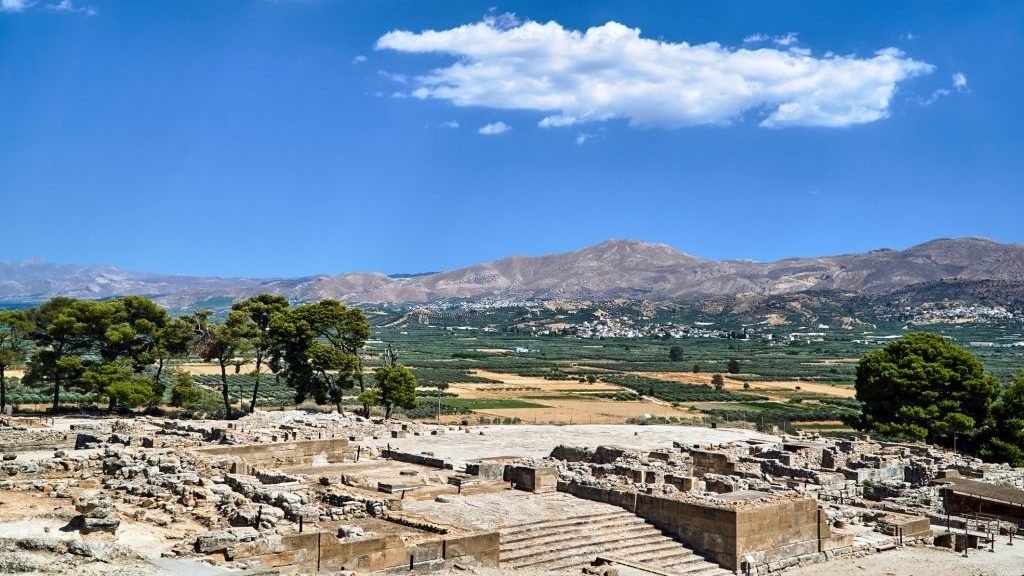
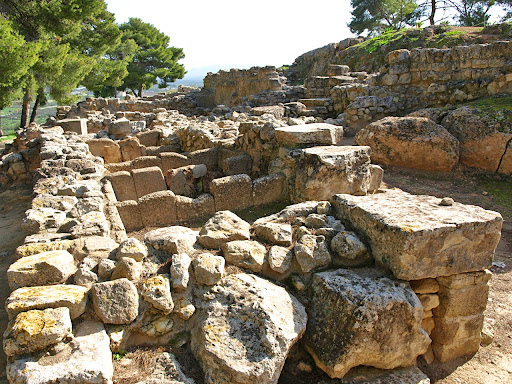
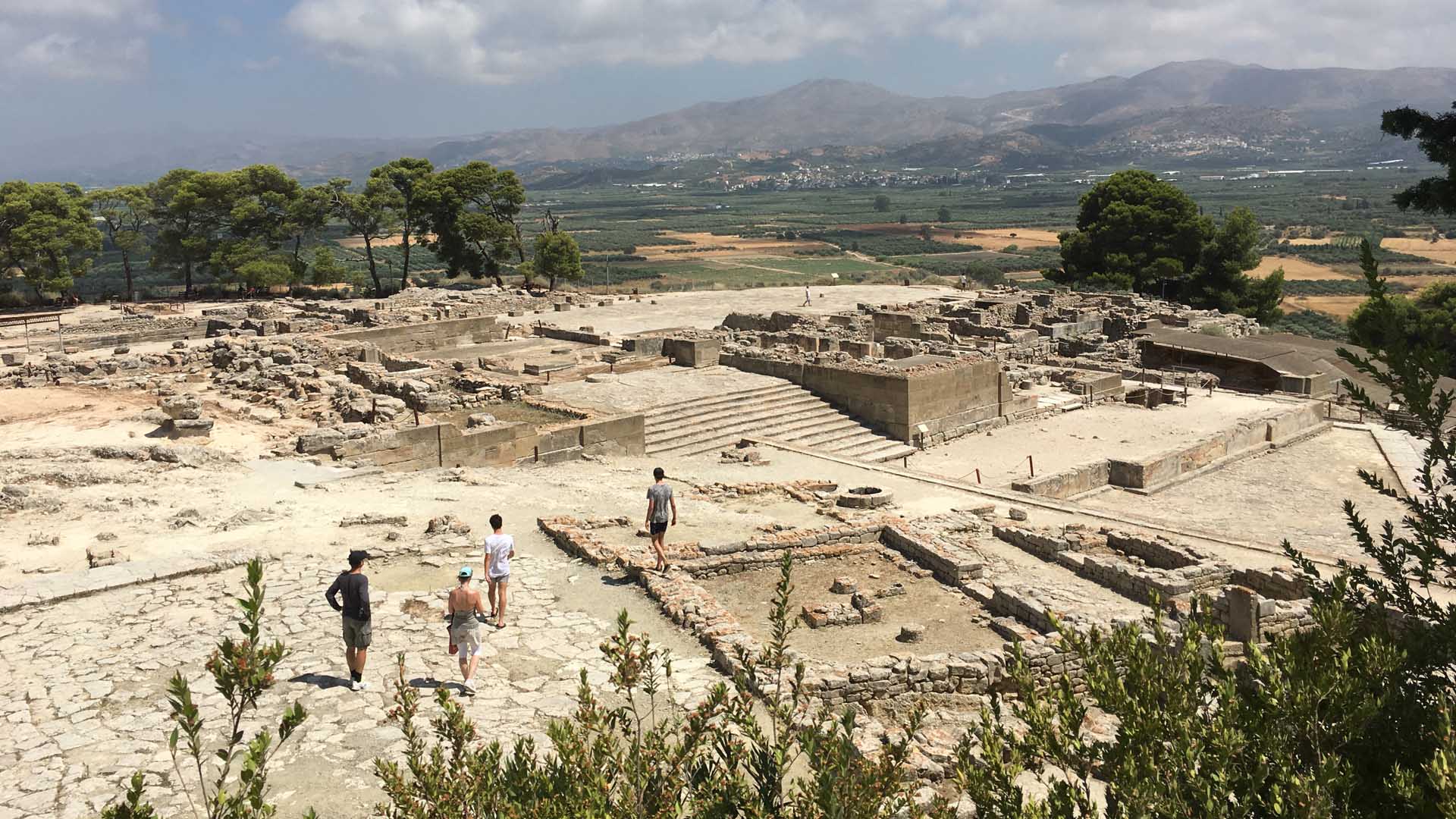
The tour then leads to Phaistos Palace, one of the four great Minoan palaces of Crete and one of the island’s most remarkable archaeological sites. Perched on a hill overlooking the fertile Messara Plain, the palace offers spectacular panoramic views of southern Crete. Unlike the Palace of Knossos, Phaistos has never been extensively reconstructed, allowing visitors to experience the site in a more authentic and atmospheric way. Walking among its impressive ruins, grand courtyards, staircases, and ancient chambers provides a unique opportunity to connect with a civilization that flourished more than 3,500 years ago.
Matala
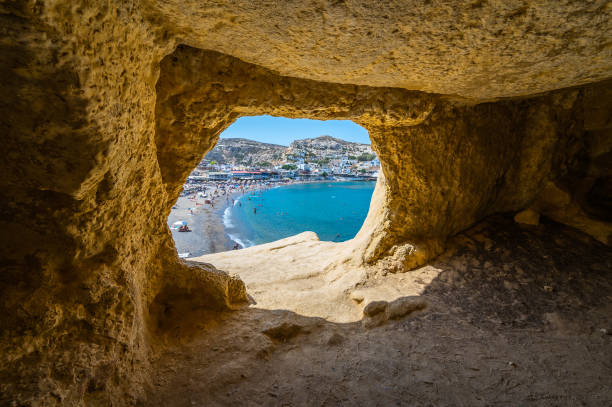
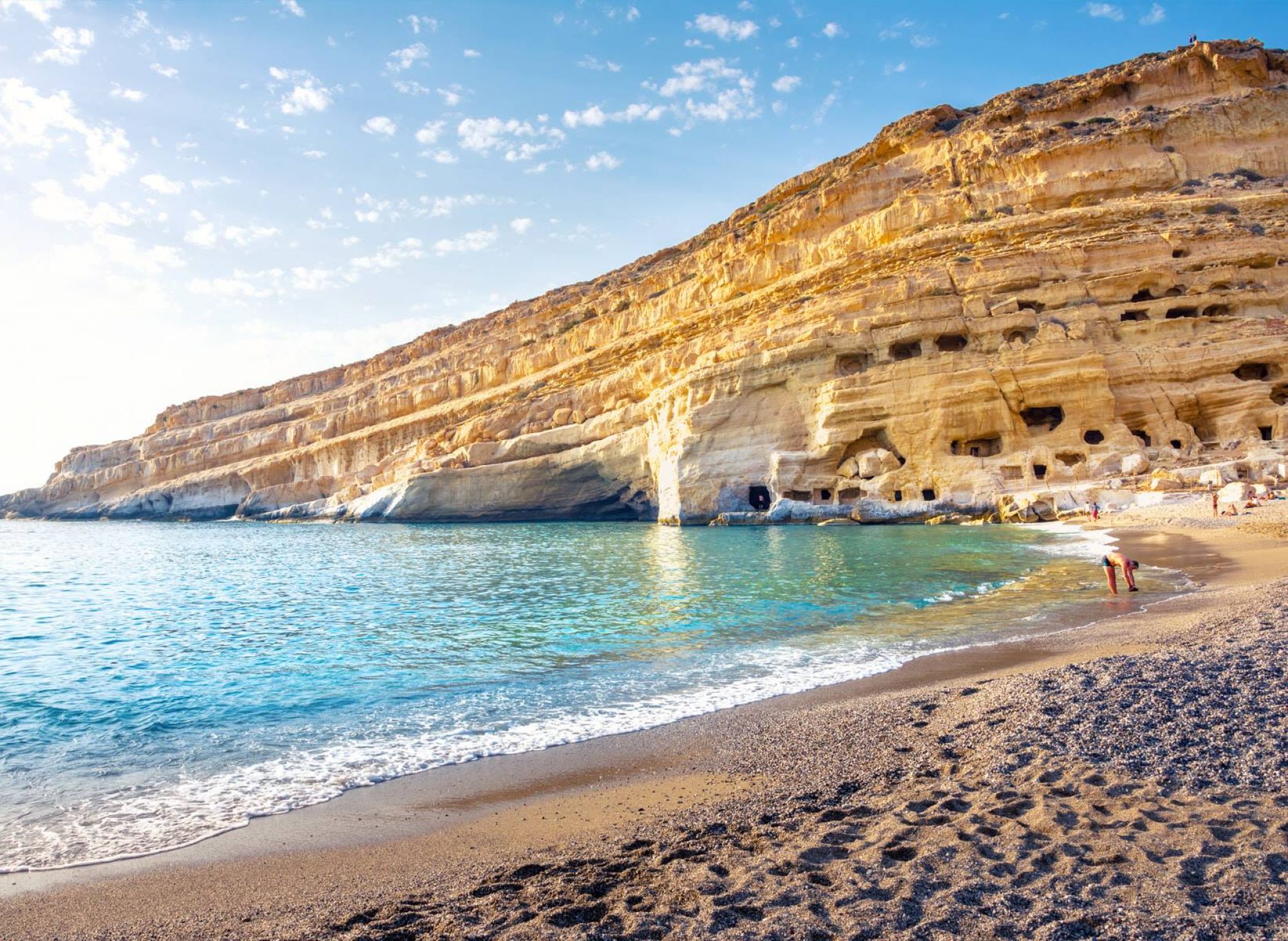
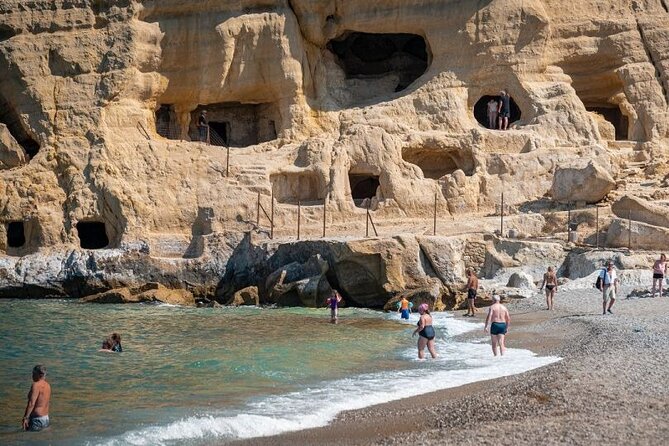
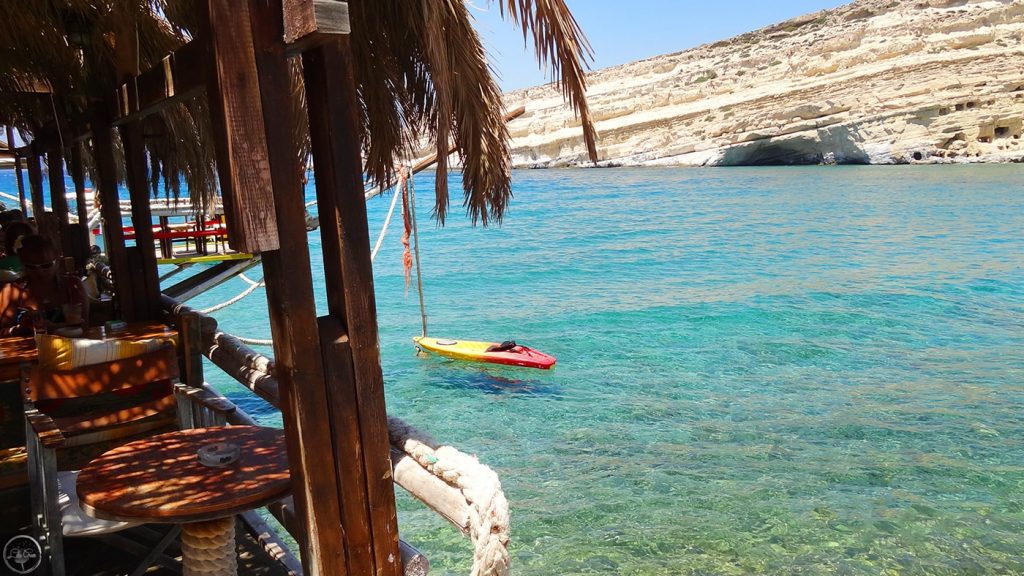
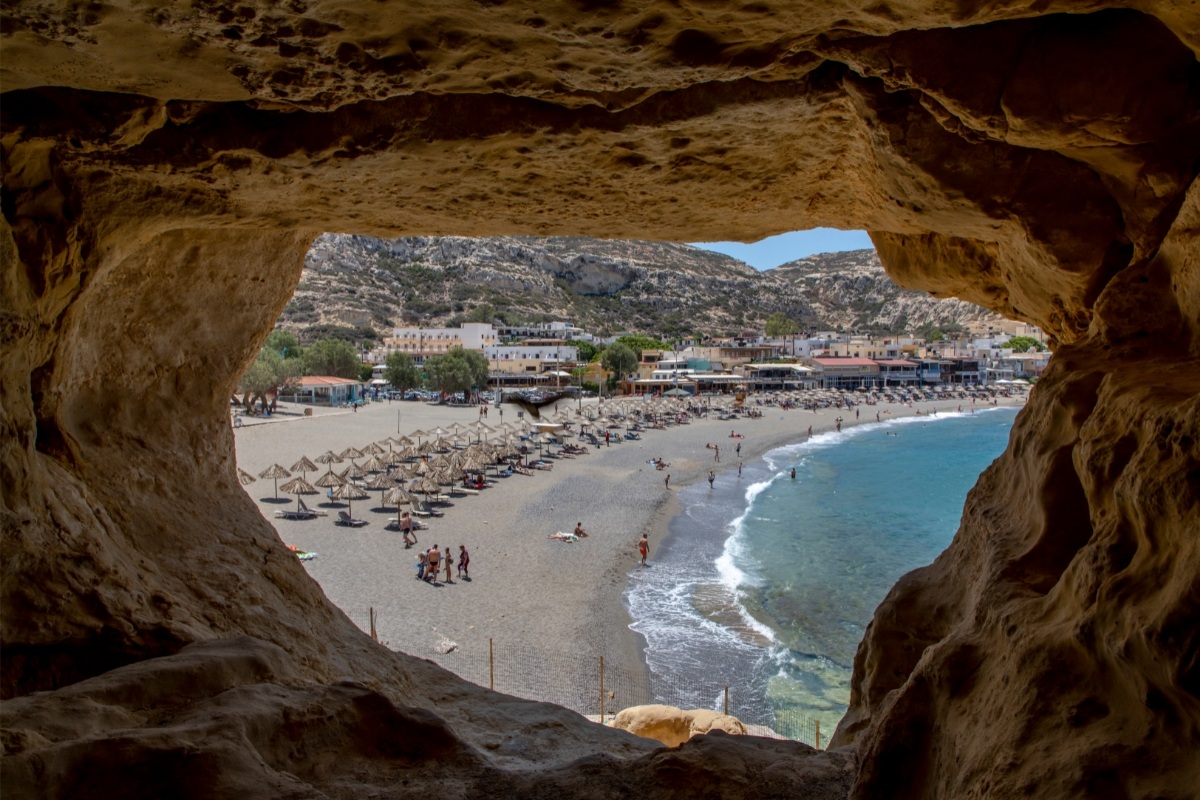
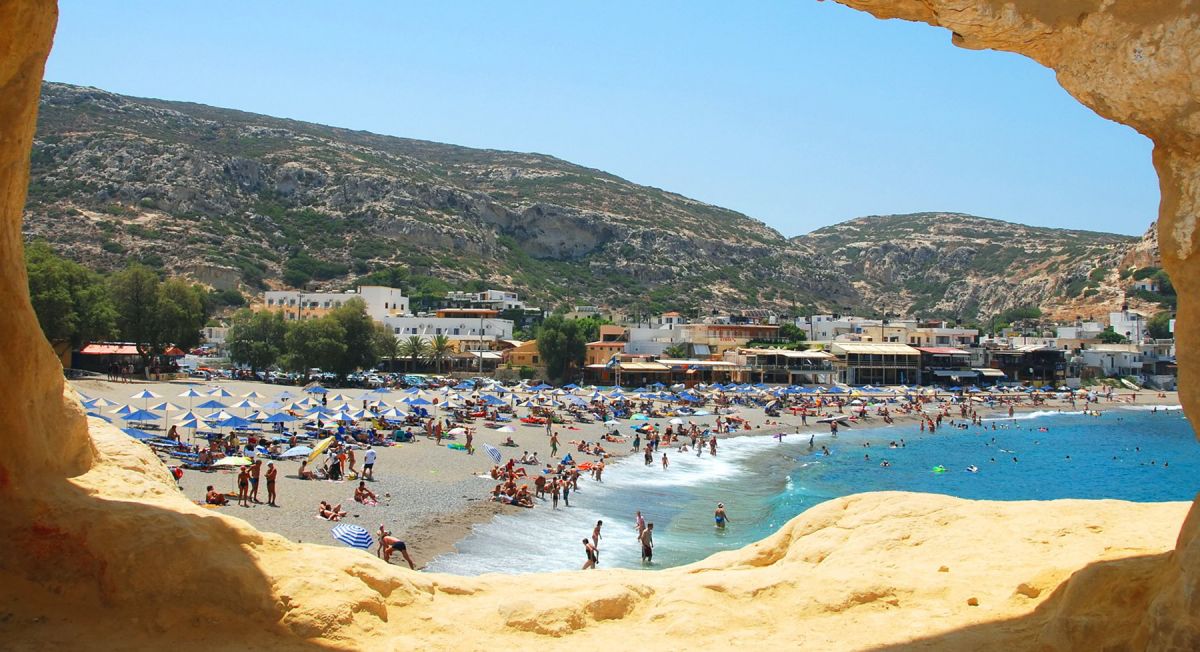
The final destination is Matala, one of Crete’s most famous seaside villages. Once the ancient port of Gortyna, Matala gained international recognition during the 1960s and 1970s as a gathering place for hippies and artists from around the world. Today, it combines its fascinating history with a lively and welcoming atmosphere. Visitors can relax on the beautiful sandy beach, explore the iconic caves carved into the coastal cliffs, stroll along the waterfront, and enjoy local cafés and tavernas. With its crystal-clear waters, mild microclimate, and legendary sunsets over the Libyan Sea, Matala remains one of the most unforgettable destinations in southern Crete.
.jpg)